The Complete Invoice & Quotation Template for Narration Fees: How to Separate Recording, Studio, Travel, and Retake Costs
Narration from ¥50,000, delivered in as little as 24 hours.
* If you have a fixed budget, let me know and we can work from there.
Narration invoices and quotations are 90% about item separation
In narration projects, the biggest source of trouble is rarely the price itself. It is usually the lack of clarity around what is included.
When production companies, agencies, video teams, and freelancers work together, even a small mismatch in document structure can create two or three extra rounds of confirmation. That slows both approval and payment.
My conclusion is simple: a practical standard format should separate at least these four items:
1. Recording fee
2. Studio fee
3. Travel expenses
4. Retake fee
Just separating these four lines prevents the common frustration of “the initial quote looked cheap, but the final bill became expensive.”
The best practice is to state, in the quotation itself, what is included, what is excluded, and under which conditions additional charges apply.
---
Basic structure of a standard format
Both quotations and invoices are easier to review when arranged in this order:
- Project title
- Recording date or delivery date
- Client information
- Vendor information
- Invoice registration number
- Payment terms
- Line items
- Subtotal
- Consumption tax
- Total amount
- Notes
A practical itemized example looks like this:
- Narration recording fee: JPY 30,000
- Studio fee (1 hour): JPY 8,000
- Travel expenses (actual cost): JPY 1,240
- Retake fee (re-recording due to script replacement): JPY 10,000
The key point is this: never merge the recording fee and studio fee into one line.
For home recording, the studio fee may be zero or included as a home-studio charge. For external studio sessions, it should be listed separately. This makes budget control much easier.
---
How to separate recording, studio, travel, and retake costs
1. Recording fee
The recording fee is the narrator’s main professional and booking fee.
In practice, rates are often set per project, per hour, or by finished duration for corporate videos, web content, and e-learning.
A helpful format is:
- Base recording fee: JPY 30,000 for up to 2 hours
- Overtime: JPY 3,000 per 15 minutes
- Home recording includes noise reduction and basic audio cleanup
If the quote does not define how many hours are included, disputes become more likely.
2. Studio fee
Studio fees are usually billed at actual cost.
In Tokyo, a simple booth may cost JPY 6,000 to 12,000 per hour, while a full studio with control room may run JPY 12,000 to 25,000 per hour.
On the invoice, separate them clearly:
- Studio usage fee: JPY 9,000
- Engineer attendance fee: JPY 6,000
It is also helpful to note whether the engineer is included in the studio rate.
3. Travel expenses
Travel should be handled either as actual cost reimbursement or as a flat fee. Pick one method and stay consistent.
Actual cost is usually the safest choice:
- Travel expenses (JR Shinjuku–Shibuya round trip): JPY 420
If taxi use may occur, add a note at the quotation stage such as:
“Taxi fare will be billed at actual cost for early morning, late night, or equipment-related transport.”
4. Retake fee
This is the most dangerous area to leave vague.
Always separate free corrections from paid retakes.
A useful wording example:
- Misreads and accent corrections: free within 7 days after first delivery
- Re-recording due to script changes: from JPY 5,000 per block
- Full re-recording: 50–100% of the base recording fee
Separating narrator-caused corrections from client-side script changes protects the working relationship.
---
How to write the invoice registration number
If you are a qualified invoice issuer in Japan, your registration number should appear clearly on the invoice.
The standard format looks like this:
- Registration No.: T1234567890123
The easiest place to put it is near the company or trade name, or just below the invoice header.
Also, make sure the tax amount is visible by applicable tax rate so the document is easy to process.
Example:
- Subtotal: JPY 39,240
- Consumption tax (10%): JPY 3,924
- Total: JPY 43,164
Popular tools for PDF creation include freee, Money Forward Cloud Invoice, and Misoca.
Using a tool that converts quotations into invoices reduces copy-and-paste mistakes significantly.
---
Standard payment terms: end of month, paid at the end of next month
In the narration business, the most common payment terms are:
- Closing at month-end, payment at the end of the following month
- Closing at month-end, payment at the end of the second following month
- Within 30 days after delivery
The most standard condition is “month-end closing, payment at the end of the following month.”
For example, if delivery is made on August 10, it is closed at the end of August and paid at the end of September.
Agencies and production companies sometimes use payment at the end of the second following month, but that can be a heavy burden for freelance narrators.
A clear wording in the notes section is:
- Payment terms: month-end closing, paid at end of following month
- Bank transfer fee: borne by client
- Payment method: bank transfer
The bank transfer fee note may seem minor, but it matters.
---
A practical template you can use immediately
Here is a minimal line-item template:
- Narration recording fee (up to 2 hours)
- Studio usage fee (1 hour)
- Travel expenses (actual cost)
- Retake fee (only when script changes occur)
- Subtotal
- Consumption tax
- Total
- Registration number
- Payment terms
If your quotation already includes this level of detail, the client can get internal approval faster, and the vendor can explain any additional charge more smoothly.
For narration paperwork, elegance matters less than eliminating ambiguity.
Once you standardize both your quotations and invoices, every project becomes easier to manage. In real production work, these quiet structural improvements make the biggest difference.
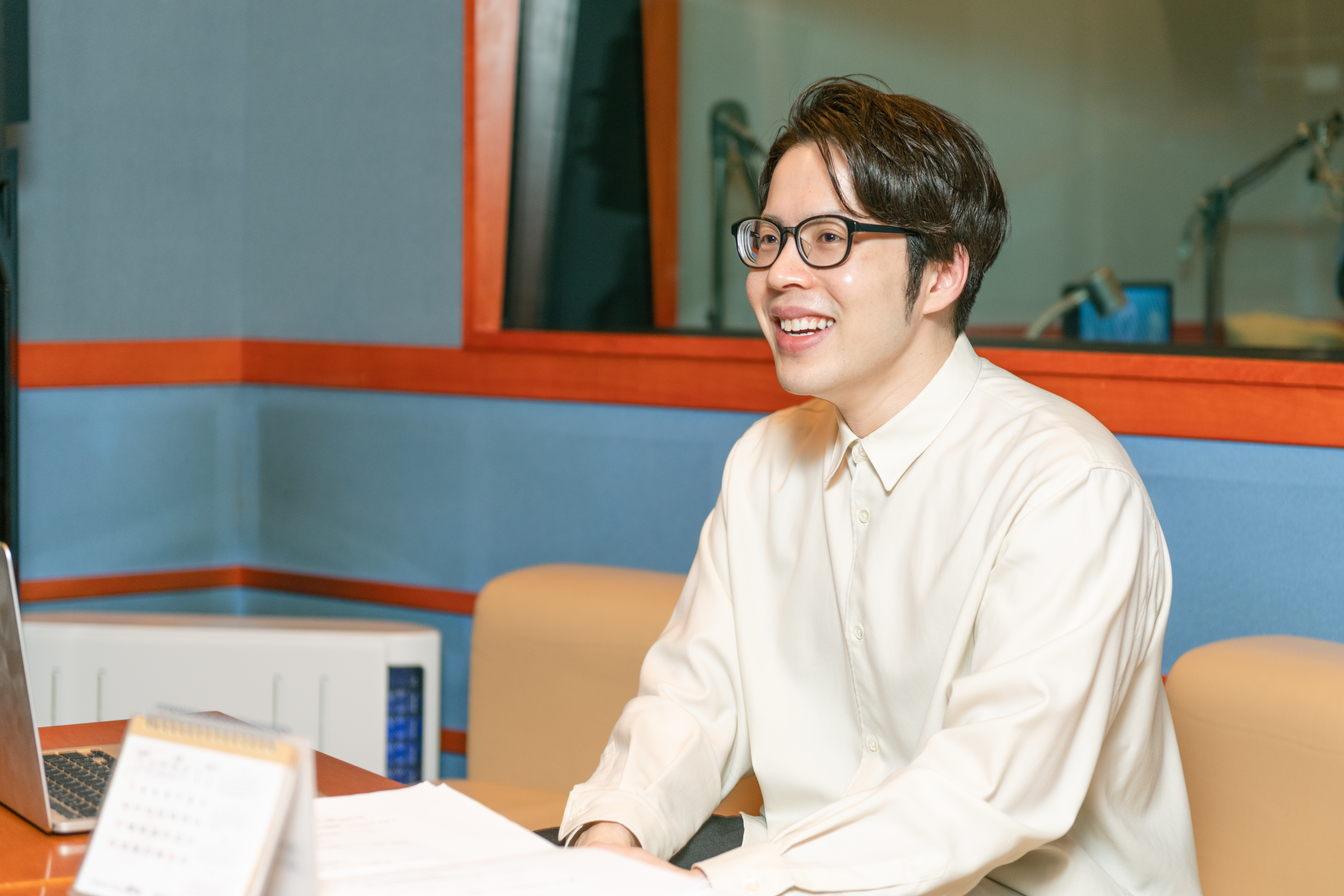
Masahiro Kobayashi
Professional Narrator
A Japanese male narrator handling over 200 projects a year across corporate videos, commercials and documentaries. Recorded in a broadcast-quality home studio and delivered fast.
Listen to voice samplesRelated Articles
Narration Booking Cancellations & Postponements: Fees, Etiquette, and Contract Wording
A practical guide to cancellation and postponement etiquette for narration bookings, covering industry norms, cost allocation, typical fee ranges from 0 to 100%, and contract wording.
How to Design Narrator Audition Reads Without Regret: Script Length, Direction Detail, and the Free-to-Paid Boundary
A practical guide for video production teams on designing narrator audition reads: ideal script length, content selection, direction detail, and where free test reads should end and paid work should begin.
A 10-Year Strategy for Home Voiceover Artists: Choosing AI-Resistant Niches and Evolving into a Voice Director
A practical long-term career blueprint for home voiceover artists: how to choose AI-resistant niches, build differentiation, and transition into voice direction.
CONTACT
Narration Enquiries & Quotes
Corporate VP, commercials, e-learning, product manuals — you do not need everything decided. Send the script length, intended media and target date, and I will come back with a proposal.
- From
- ¥50,000〜
- Turnaround
- 24 hours
- Format
- WAV / MP3
* If you have a fixed budget, let me know and we can work from there.
Or email directly: info@kobatee.jp