Turn Recording Pressure into Performance: Mental Control and Flow Routines for Narrators
Narration from ¥50,000, delivered in as little as 24 hours.
* If you have a fixed budget, let me know and we can work from there.
Recording Pressure Is Not the Enemy—It’s a Signal for Precision
For narrators, pre-session tension is not something to eliminate. When handled properly, it becomes a useful signal that sharpens focus. The real problem is not nervousness itself, but what it does to performance: shallow breathing, narrowed attention, and a breakdown in delivery design.
In a home studio, there is no commute to the facility, no casual reset with staff, and no external structure to help you shift into performance mode. That means you must create the transition yourself. This is both the challenge and the advantage of home recording. You control the environment completely, but you must also design your own mental ramp-up.
One mindset shift helps tremendously: stop labeling pressure as “a sign I might fail,” and redefine it as “my body preparing for performance.” That simple reframing reduces resistance to elevated heart rate, muscle tension, and pre-roll jitters.
Manage Nervousness with Numbers
If you rely only on feelings, consistency suffers. A practical method is to rate your tension on a 1-to-10 scale before recording:
- 1–3: under-aroused, weak vocal core
- 4–6: optimal performance zone
- 7–8: highly focused, but more risk of rushing or stumbling
- 9–10: unstable breathing and poorer judgment
This lets you respond specifically. Instead of “I feel nervous,” you can say, “I’m at a 7, so I need to bring myself back to a 5.”
I recommend checking three times: 15 minutes before, 5 minutes before, and right before REC. If you are above 7, do five rounds of 4-second inhale and 8-second exhale breathing. This often shifts the nervous system enough to release jaw and lip tension. If you are below 3, raise arousal with 30 seconds of light squats or heel lifts. The goal is not to “calm down,” but to reach optimal activation.
Flow State Is Not Accidental—It Can Be Built
People often talk about flow as if it appears by luck: “I had it today” or “I didn’t.” In professional work, that is not enough. Flow becomes more repeatable when three conditions are present:
1. The task is clear
2. The difficulty is balanced
3. Distractions are reduced
Home studios are ideal for creating these conditions. For example, mark your script with no more than three colors: red for emphasis, blue for pauses, green for emotional temperature. Too much visual information increases cognitive load and steals attention before you even speak.
Then keep your pre-session routine fixed. For example:
- 20 minutes before: drink 200 ml of water
- 15 minutes before: read aloud only the opening paragraph and the closing paragraph
- 10 minutes before: check noise floor and set the mic 15–20 cm from your mouth
- 5 minutes before: five rounds of 4–8 breathing
- 2 minutes before: define today’s objective in one sentence
Do not change the order casually. The purpose of a routine is not simply to “feel ready,” but to teach the brain a recognizable start sequence.
If You’re Vulnerable to Pressure, Drop Outcome Goals
Many performers collapse under pressure because they cling to outcome goals right before recording: “Don’t stumble,” “Don’t fail,” “Nail it in one take.” These goals increase self-monitoring and interrupt natural vocal flow.
Replace them with behavioral goals:
- Carry the breath through to the end of each sentence
- Pause your eyes for 0.3 seconds before proper nouns
- Build one clear emotional peak in each paragraph
Behavioral goals are controllable. They return your attention to the line in front of you. Performance psychology consistently shows that process-focused attention is more repeatable than outcome-focused pressure.
Home Recording Allows You to Distribute Pressure in Advance
One of the greatest strengths of home recording is that you can spread mental load before the session starts. In an external studio, multiple variables pile up at once: acoustics, positioning, air conditioning noise, waiting time, and social pressure. At home, many of those variables can be solved the day before.
Use separate checklists:
- Day-before checklist: microphone, interface, cables, DAW, script, file naming rules
- Same-day checklist: physical condition, mouth dryness, noise, posture, session objective
When technical anxiety and expressive anxiety mix together, pressure spikes fast. That is why gear checks should be finished the day before. On recording day, your mental resources should be reserved for performance. This is a discipline uniquely suited to home studio work.
On High-Pressure Days, Design for Small Wins
Some days, tension remains high no matter what you do. On those days, do not force a “best-ever” performance. Instead, design for a small win in the first 30 seconds. Record the first three lines separately. Schedule the hardest passage for the time of day when your voice responds best. Set your temporary accept line at 80 out of 100.
These small wins rebuild self-efficacy. Narration is sustained not by technique alone or by sheer willpower alone, but by aligning voice, body, attention, and environment as one system. Pressure becomes useful when that system is prepared.
And that is precisely where the home studio shines. It is the place where you can engineer performance conditions with the highest precision. Before a take, what matters most is not talent. It is preparation you can repeat.
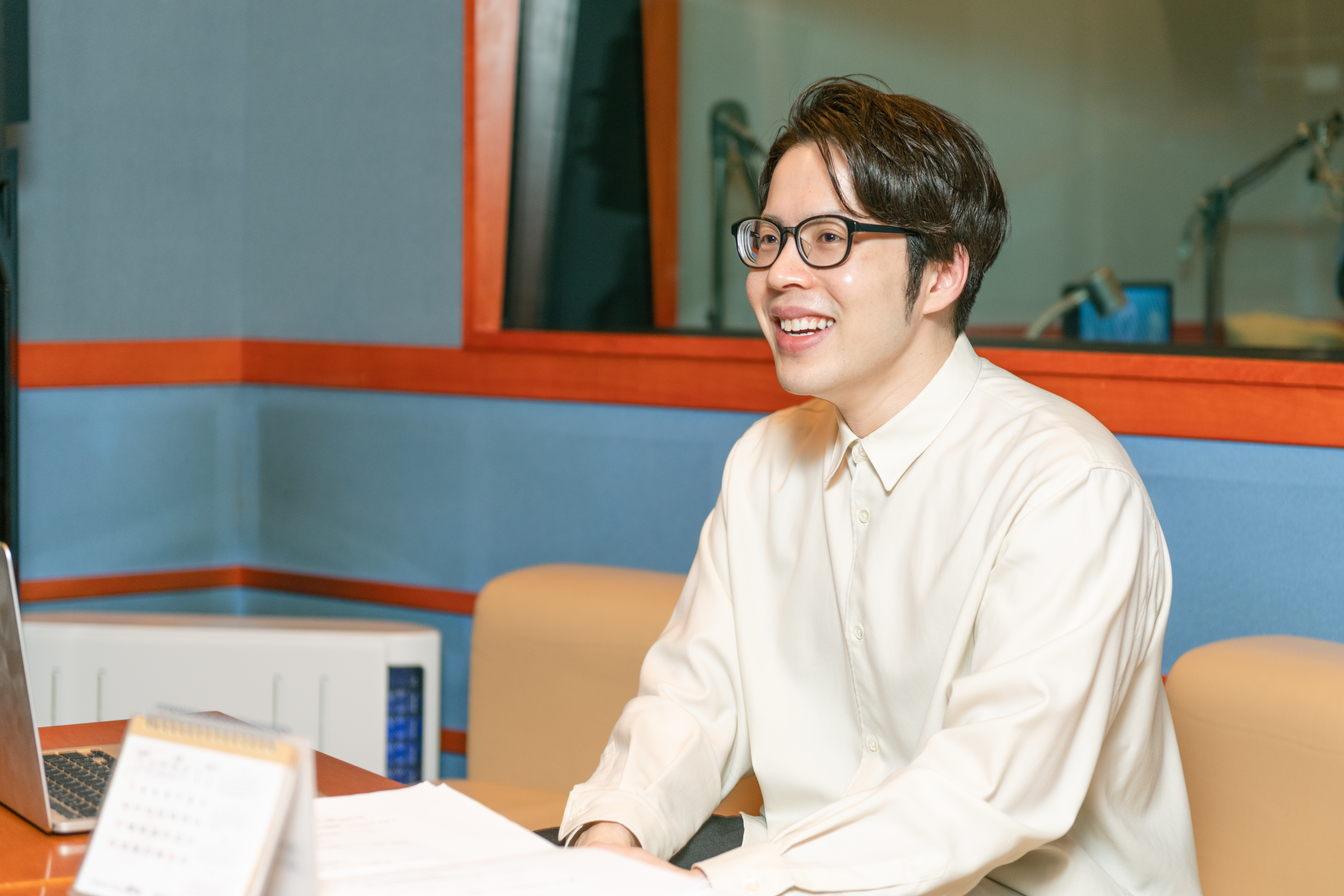
Masahiro Kobayashi
Professional Narrator
A Japanese male narrator handling over 200 projects a year across corporate videos, commercials and documentaries. Recorded in a broadcast-quality home studio and delivered fast.
Listen to voice samplesRelated Articles
Depreciation for Home Studio Narrators: Useful Tax Strategies for Mics, PCs, and Soundproofing
A practical guide to depreciation for home studio narrators, covering useful lives for microphones, audio interfaces, soundproofing, and PCs, plus when to expense costs immediately.
Cloud DAW Strategies for Home Voice Talent: Comparing Soundtrap, BandLab, and Audacity Cloud for Real-Time Client Sessions
A practical guide for home voice talent on choosing and using cloud DAWs, comparing Soundtrap, BandLab, and Audacity Cloud-style tools, and designing real-time client-attended recording sessions.
Variable Recording Space Design for Home Voice Talent: Removable Soundproofing, Acoustic Treatment, and Moving-Safe DIY
A practical guide for home voice talent working in rental apartments: removable soundproofing and acoustic treatment, damage-free DIY, setup/removal tips, and safe packing methods for moving.
CONTACT
Narration Enquiries & Quotes
Corporate VP, commercials, e-learning, product manuals — you do not need everything decided. Send the script length, intended media and target date, and I will come back with a proposal.
- From
- ¥50,000〜
- Turnaround
- 24 hours
- Format
- WAV / MP3
* If you have a fixed budget, let me know and we can work from there.
Or email directly: info@kobatee.jp