Do Voice-Over Rates Really Differ by Region? Tokyo, Osaka, Rural Markets, and Smart Hiring in the Remote Recording Era

Narration from ¥50,000, delivered in as little as 24 hours.
* If you have a fixed budget, let me know and we can work from there.
What Is the Real State of Regional Differences in Voice-Over Pricing Today?
One of the most common questions clients ask is: “Are Tokyo-based narrators more expensive?” or “Can we save money by hiring someone living outside major cities?”
The short answer is: yes, regional differences do exist, but they are no longer as simple as they used to be.
As remote recording has become standard, pricing is no longer determined solely by whether a narrator lives in Tokyo, Osaka, or a rural area.
In the past, Tokyo-based talent often worked in professional studios, and quotes naturally included agency overhead, travel, and session hold fees. Regional narrators were often seen as lower-cost alternatives. Today, however, many narrators outside major cities have fully professional home setups, using gear such as the Neumann TLM 103, audio-technica AT4040, RME Babyface, or UA Apollo Solo.
That means it is no longer accurate to assume “regional equals cheaper” or “Tokyo equals expensive.”
Where Do Price Differences Still Appear Between Tokyo, Osaka, and Regional Talent?
In practice, pricing differences tend to come from three main factors.
First, there is the studio session cost. In Tokyo, studio rental can range from ¥8,000 to ¥20,000 per hour. In Osaka, it is often around ¥6,000 to ¥15,000, while regional studios may fall between ¥5,000 and ¥12,000, depending on the facility.
Second, there is the market rate of the narrator. Tokyo has a high concentration of commercial, corporate, broadcast, and branded content work, so experienced talent often commands higher fees.
Third, there is the production structure around attendance and direction. Traditional sessions with the client, director, and engineer present tend to become more expensive in larger cities because more people are involved.
As a rough benchmark, for the same 2–3 minute corporate profile narration, rates may look like this:
- Tokyo studio session: ¥30,000–¥80,000
- Osaka studio session: ¥25,000–¥60,000
- Remote home-studio session by regional talent: ¥15,000–¥45,000
However, these differences are not caused by geography alone. They also reflect usage media, number of revisions, recording method, licensing scope, and whether the fee is buyout or term-limited. If you compare rates by location alone, you are likely to misread the quote.
How Remote Recording Has Standardized Pricing
The biggest reason pricing has become more standardized is that clients can now choose based on delivery quality rather than physical location.
A common workflow today is to direct the session over Zoom, Google Meet, or Microsoft Teams, while the narrator records locally in high quality and delivers WAV files at 48kHz/24-bit. With tools like Source-Connect Standard, SessionLinkPRO, and Cleanfeed, even narrators living far from major cities can join Tokyo-based productions in real time.
Because of this, the market is no longer splitting simply by region. Instead, it is reorganizing by quality tier and production responsibility.
For example, current pricing often falls into ranges like:
- Simple home recording / short social media ads: ¥8,000–¥20,000
- Standard corporate videos / web content: ¥20,000–¥50,000
- Directed sessions / brand-sensitive projects: ¥50,000–¥150,000+
In other words, rates are increasingly determined by the scope and responsibility of the project, not by the narrator’s address. A Tokyo-based narrator with an efficient home workflow may be cost-effective, while a highly skilled regional narrator may justifiably charge Tokyo-level rates.
How Clients Can Maximize Value When Requesting Quotes
The key for clients is to stop thinking in terms of “finding the cheapest region.”
Instead, when requesting a quote, clearly specify these four items:
1. Usage media
Will the audio be used only on a website, as a YouTube ad, at a trade show, or for TV? Unclear usage creates unstable pricing.
2. Script length and estimated duration
State specifics such as “approximately 3 minutes” or “1,200 Japanese characters.” Vague requests often lead to extra fees later.
3. Revision policy
For example: “pronunciation mistakes corrected at no charge,” “script rewrites up to two rounds,” or “full re-recording billed separately.” This prevents disputes.
4. Recording method
Will it be a fully self-contained home-studio delivery, a Zoom-directed session, or a live Source-Connect connection? This has a major impact on cost.
In practice, comparing up to three quotes is usually the most efficient approach. Once you go beyond five candidates, the comparison becomes less consistent and selection costs rise.
Also, when reviewing a quote, do not look only at the total. Check whether the estimate breaks down:
- session fee
- studio fee
- direction fee
- audio cleanup/editing fee
- revision fee
- usage/license fee
Narrators and production companies that separate these items clearly tend to be easier to work with operationally as well.
In the Future, Regional Differences Will Be Defined More by Workflow Than by Address
Going forward, regional price differences in voice-over work will be shaped less by geography itself and more by workflow design and operational reliability.
A narrator living outside a major city can compete strongly in urban projects if they have proper acoustic treatment, a noise floor below -60 dB, same-day response speed, clear revision rules, consistent file naming, and 48kHz/24-bit delivery capability. On the other hand, even a city-based narrator loses pricing power if communication is slow, home-studio quality is inconsistent, or revision terms are vague.
For clients, the best strategy is not to choose by region, but to choose the narrator whose recording setup and workflow create the least waste for the project.
Yes, differences between Tokyo, Osaka, and regional markets still exist. But they are no longer the simple geography-based gaps they once were. That is why the smartest hiring decisions today come from evaluating not where the narrator lives, but how they record and how they operate.
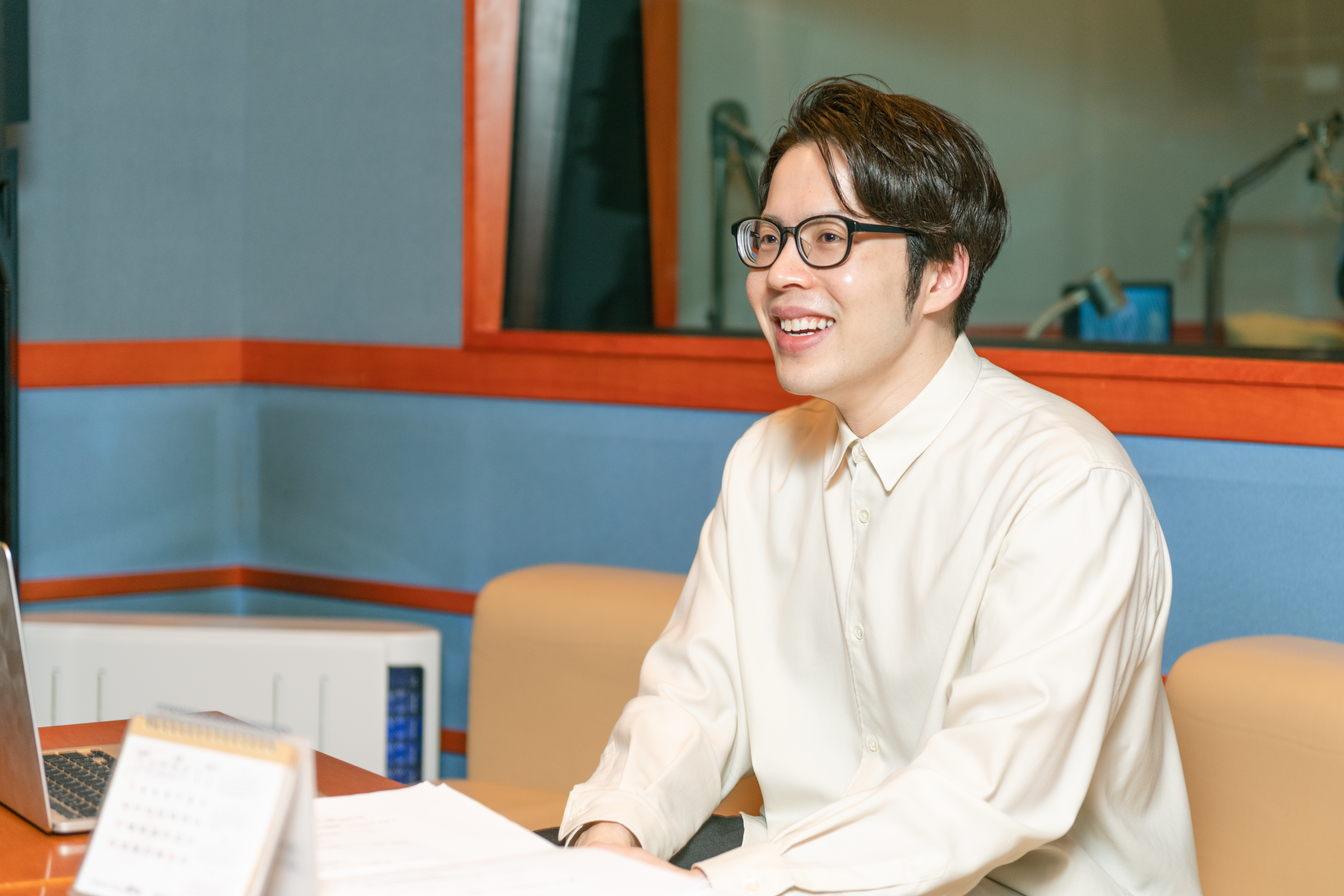
Masahiro Kobayashi
Professional Narrator
A Japanese male narrator handling over 200 projects a year across corporate videos, commercials and documentaries. Recorded in a broadcast-quality home studio and delivered fast.
Listen to voice samplesRelated Articles
The Complete Creative Brief for Voiceover Orders: A One-Page Template That Prevents Costly Misfires
Learn how to write a practical one-page creative brief for voiceover orders. This guide covers target audience, tone, prohibited expressions, reference audio, and competitor differentiation to prevent costly misalignment.
Attraction Guidance Narration Design for Theme Parks and Cinemas: Creating Immersion and Managing Multilingual Costs
A practical guide to attraction guidance narration for theme parks, amusement parks, and cinemas, covering immersive direction, tone design by age group, multilingual workflows, and realistic cost estimates.
Bulk vs Split Voiceover Orders: Per-Project Cost, Relationship Discounts, and Annual Budget Planning
A practical comparison of bulk vs split voiceover orders, including per-project pricing, relationship-based discounts, negotiation tactics, and annual budget planning.
CONTACT
Narration Enquiries & Quotes
Corporate VP, commercials, e-learning, product manuals — you do not need everything decided. Send the script length, intended media and target date, and I will come back with a proposal.
- From
- ¥50,000〜
- Turnaround
- 24 hours
- Format
- WAV / MP3
* If you have a fixed budget, let me know and we can work from there.
Or email directly: info@kobatee.jp