Narration Quality Starts with Monitor Headphones: Closed-Back vs Open-Back, How to Read Frequency Response, and 5 Best Picks
Narration from ¥50,000, delivered in as little as 24 hours.
* If you have a fixed budget, let me know and we can work from there.
In Home Narration, Sound Quality Is Determined Not Only by the Microphone, but by Your Ears
Many people say, “I bought a good microphone, but my results still aren’t consistent.” One major reason is choosing the wrong monitor headphones. In narration recording, quality depends less on the beauty of the raw voice and more on whether you can accurately detect subtle issues: lip noise, breath sounds, sharp consonants, room resonance, and muddy low end. In other words, recording quality is shaped not only by the mic input, but by the monitoring environment.
In a home studio, headphones often matter more than speakers. Night recording, family considerations, neighbors, and limited sound treatment all make headphones more than a simple checking tool—they become your core voice-directing reference. What I value most in professional work is consistency over long sessions. A flashy-sounding model is less useful than one that lets you work for three hours without fatigue or overcorrecting with EQ.
Closed-Back vs Open-Back: Which Works Best for Narration?
The short answer: closed-back for recording, open-back for editing and cleanup.
The biggest advantage of closed-back headphones is isolation. Sound leakage is less likely to spill into the microphone, so you can safely monitor guide tracks or references while recording. They also help mask home-studio noises such as air conditioners, PC fans, and traffic. For narration work, that practical benefit is huge. The downside is that closed-back designs can make the low end feel heavier and the soundstage narrower, which may lead you to cut too much bass.
Open-back headphones provide a more natural soundstage, making it easier to judge vocal openness, nasal resonance, harshness in the 3kHz–8kHz range, and overdone de-essing. However, they leak sound, so they are not suitable while the mic is live. That is why the ideal setup is not one “do-it-all” headphone, but one pair for recording and another for editing. If your budget allows only one, start with a closed-back model.
Don’t Take “Flat Frequency Response” at Face Value
Specifications such as “5Hz–40kHz” or “10Hz–30kHz” do not automatically mean a headphone is better. What matters is how evenly those frequencies are reproduced and at what tolerance level. Many manufacturers do not clearly state the ±dB range, so you should look at independent measured frequency response graphs whenever possible.
For narration, pay special attention to four ranges:
- 80Hz–150Hz: chest tone, proximity effect, muddiness
- 200Hz–400Hz: boxiness, room tone, cloudiness
- 2kHz–4kHz: intelligibility, consonant attack
- 6kHz–10kHz: sibilance, lip noise, harshness
For example, if a headphone boosts around 3kHz, your voice may sound more forward than it really is, leading you to cut too much in that area. If 8kHz is recessed, you may miss sibilance problems. The goal is not “pleasant listening,” but “accurate problem detection.” Correction tools such as Sonarworks SoundID Reference can help, but first you need to understand the headphone’s natural character.
Five Excellent Headphones for Narration Work
1. Sony MDR-CD900ST
A long-time standard in Japanese voice production. This closed-back model makes it easy to hear detail in the 1kHz–4kHz range, helping you catch noise and weak articulation. It is lightweight, with restrained low end, and prioritizes inspection over musical enjoyment. For exposing flaws in narration, it remains outstanding.
2. Audio-Technica ATH-M50x
A versatile closed-back model with slightly energetic lows and highs. Good for people who want one pair for recording, editing, and rough mixing. It is more enjoyable to listen to than the CD900ST, but that also means you should be more careful with low-end decisions. A reliable first choice for many home recordists.
3. Sennheiser HD 280 Pro
A closed-back model with excellent isolation, making it especially useful in noisier home environments. Clamp force is a bit firm, but that can actually help maintain focus during recording. It is strong in the midrange and works well for catching breath and mouth noise. A very dependable workhorse.
4. Beyerdynamic DT 770 Pro (80Ω)
A classic closed-back headphone that offers a relatively spacious presentation and low fatigue over long sessions. The 80Ω version works well with most audio interfaces. Its slightly bright top end helps reveal sibilance and noise, though harsher source material may sound more severe than it really is.
5. Sennheiser HD 600
A classic open-back reference. Excellent for editing, cleanup, and final checks. Its natural midrange makes it easy to judge vocal EQ and compression. Because it leaks sound, it should not be used while recording, but it is highly trustworthy for checking whether your processed voice has become too artificial or overworked.
How to Choose Without Making Costly Mistakes
Focus on three points.
First, impedance. Even when using an audio interface rather than a smartphone, 32Ω to 80Ω is usually the easiest range to manage. At 250Ω or higher, results become more dependent on headphone amp performance.
Second, wearing comfort. Narration editing rarely ends in 60 minutes. Ideally, test a headphone for at least 90 minutes to see whether pain or pressure develops.
Third, reference material. Compare your own previously delivered audio, silent sections, breath-heavy takes, and two professional narration samples—preferably one male and one female—at the same volume. Rather than monitoring loudly, home narration work is often best judged around 70–75 dB SPL to reduce ear fatigue.
The strength of a home studio is that you can optimize your tools for your own voice. Monitor headphones are not just for listening—they are tools for exposing what needs to be fixed. They are often overlooked compared with microphones, but if you want more consistent delivery quality, the fastest path is to build a reliable listening reference.
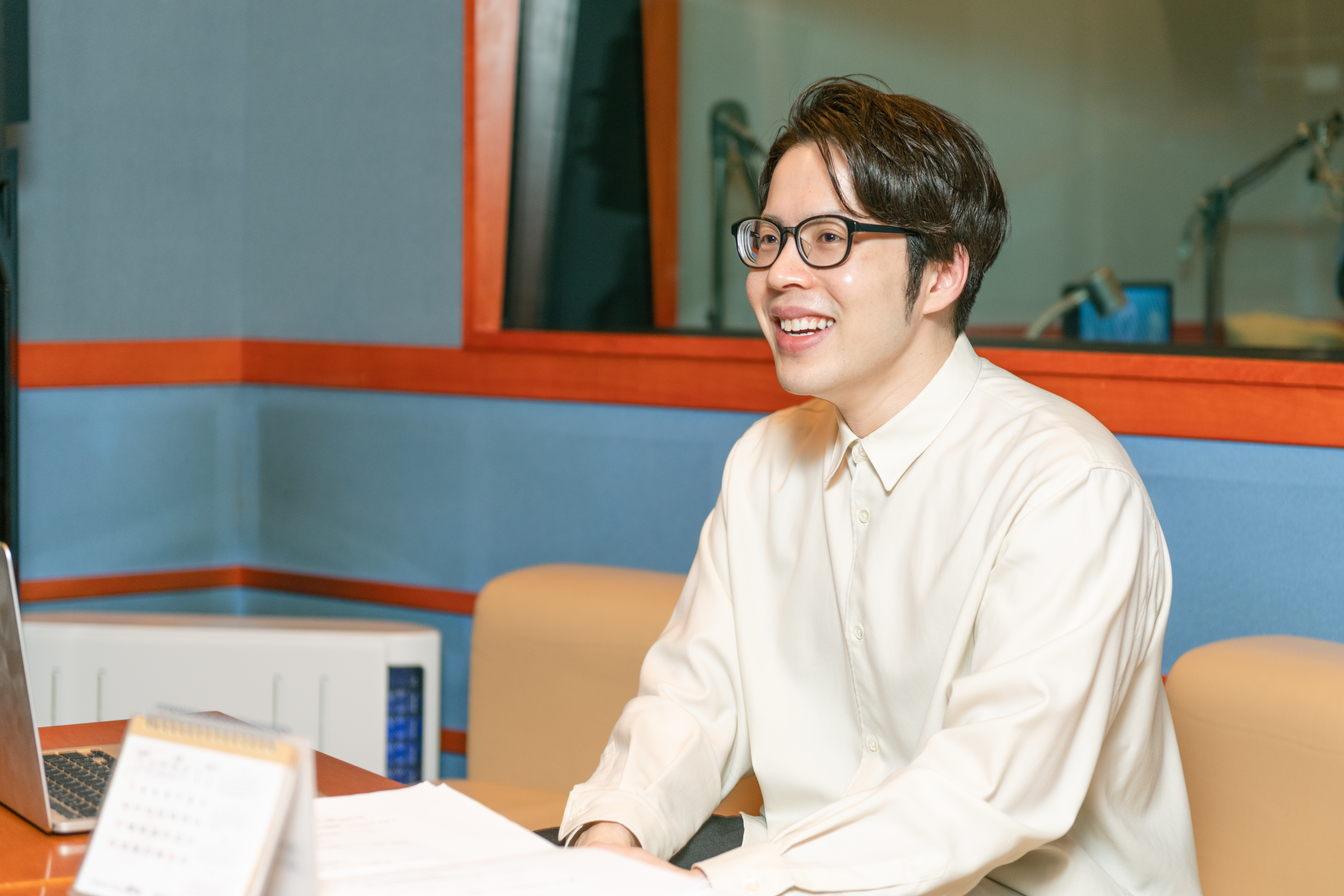
Masahiro Kobayashi
Professional Narrator
A Japanese male narrator handling over 200 projects a year across corporate videos, commercials and documentaries. Recorded in a broadcast-quality home studio and delivered fast.
Listen to voice samplesRelated Articles
Depreciation for Home Studio Narrators: Useful Tax Strategies for Mics, PCs, and Soundproofing
A practical guide to depreciation for home studio narrators, covering useful lives for microphones, audio interfaces, soundproofing, and PCs, plus when to expense costs immediately.
Turn Recording Pressure into Performance: Mental Control and Flow Routines for Narrators
How voice narrators can handle pre-session pressure, regulate nerves, sustain focus, and build practical routines to enter a flow state when it matters most.
Cloud DAW Strategies for Home Voice Talent: Comparing Soundtrap, BandLab, and Audacity Cloud for Real-Time Client Sessions
A practical guide for home voice talent on choosing and using cloud DAWs, comparing Soundtrap, BandLab, and Audacity Cloud-style tools, and designing real-time client-attended recording sessions.
CONTACT
Narration Enquiries & Quotes
Corporate VP, commercials, e-learning, product manuals — you do not need everything decided. Send the script length, intended media and target date, and I will come back with a proposal.
- From
- ¥50,000〜
- Turnaround
- 24 hours
- Format
- WAV / MP3
* If you have a fixed budget, let me know and we can work from there.
Or email directly: info@kobatee.jp