How to Choose the Right Narrator for Travel Promo Videos: Voice Design That Makes People Want to Go

Narration from ¥50,000, delivered in as little as 24 hours.
* If you have a fixed budget, let me know and we can work from there.
Why Beautiful Visuals Alone Are Not Enough in Travel Promotion Videos
Travel and tourism promo videos are often judged by their visuals first. But in practice, the final trigger that moves viewers toward action is very often the voice. The narrator’s job is not merely to explain; it is to create the feeling of already being there before the viewer even makes a decision.
The KPI for tourism content is not just views. What matters is watch time, click-through rate, saves, inquiries, and whether the audience moves into active trip consideration. In that process, narration functions as emotional architecture, not background information.
When I cast a narrator, I do not start with “Is this a good voice?” I start with “Can this voice reproduce the felt temperature of the destination?” The same ocean can require completely different narration if the setting is a domestic harbor town versus an overseas luxury resort.
Different Tone Design for Domestic Destinations and Overseas Resorts
For domestic tourism promotion, the key values are familiarity, trust, and a sense of closeness to the place. Viewers are often motivated less by a distant dream and more by the feeling that “I could go there next weekend.” In these cases, narration works best when it avoids excessive drama: natural close-mic delivery, slightly shorter phrases, and restrained endings.
Overseas resorts, by contrast, sell escape from everyday life. Here, intimacy matters less than lift, openness, and a stretched sense of time. If you slow the read by roughly 5–12% compared with domestic tourism spots, avoid choppy breathing, and soften the attack of each phrase, the sense of luxury increases dramatically.
In direction sessions, I often describe domestic tourism tone as “a station poster turned into a voice,” while overseas resort tone is “the atmosphere flowing through a luxury hotel lobby.” These metaphors may sound abstract, but they are extremely effective in aligning creative intent.
How to Create the Vocal “Temperature” That Makes People Want to Go
For practical purposes, I divide tourism narration into three temperature zones.
- 14–18°C: clean and serene
Best for heritage sites, temples, shrines, and protected nature areas.
- 20–24°C: intimate and lively
Ideal for city walks, food tourism, and family-friendly destinations.
- 26–30°C: open and sensual
Suitable for beaches, spas, and resort hotels.
Of course, these are not literal measurements. But once you verbalize vocal temperature this way, clients, directors, and narrators can share a far more precise creative target. In my experience, vocal temperature is shaped mainly by four factors:
- Pace: adjust around 280–340 Japanese characters per minute equivalent
- Breath content: more breath sounds softer; less breath creates sharper definition
- Consonant hardness: crisp k/t/p sounds feel urban; rounded consonants feel relaxed
- Line endings: whether you drop, release, or sustain the tail of a phrase
Take a line like, “Welcome to an island filled with light.” If the ending is sustained, it creates afterglow. If it is cut cleanly, it creates commercial momentum. In tourism work, line endings often influence travel desire more than factual clarity does.
Five Practical Criteria for Choosing a Narrator
A narrator should not be selected simply because they have a “nice voice.” At minimum, I recommend evaluating these five points:
1. Ability to synchronize with picture
The voice must remain present even with music and sound effects. Presence in the 2kHz–4kHz range is especially important.
2. Handling of place names and proper nouns
Tourism projects are full of locations, facilities, and cultural terminology. Accuracy directly affects credibility.
3. Tolerance for multilingual and foreign terms
In overseas resort work, the handling of hotel names and activity names often separates average talent from excellent talent.
4. Timing control
A 15-second edit, a 30-second edit, and a 90-second edit require different construction even from the same script. Talent who can adjust in 0.2-second increments are invaluable.
5. Reproducibility of vocal temperature
Can they maintain the same emotional calibration across takes? Tourism promotion depends on sustaining the exact right level of aspiration.
For auditions, I recommend asking for the same script in three versions: friendly, luxurious, and information-driven. This instantly reveals flexibility. And if possible, request delivery as 48kHz/24-bit WAV rather than smartphone audio for more accurate judgment.
Common Casting Mistakes
The most common mistake is allowing the beauty of the visuals to push the voice into pure mood. Atmosphere matters, yes—but viewers will not stay intoxicated forever. If the words do not land in the ear, the video is less likely to convert into bookings or visits.
The opposite mistake often appears in public-sector tourism campaigns: too much emphasis on explanation, not enough desire. A clean and accurate read is not enough if it carries no sensory invitation. The ideal balance in tourism narration is not always 70% explanation and 30% emotion. Depending on the project, it may need to be 50:50—or even 40:60.
Direction Notes You Can Use Immediately
Here are a few direction prompts that work well in real sessions:
- For domestic destinations
“Don’t guide us—quietly let us in on the local charm.”
- For overseas resorts
“Don’t sell it. Read it with the ease of someone who has already experienced it.”
- For luxury hotel content
“Each phrase should feel like it expands the space around it.”
- For family attractions
“Let every sentence carry a visible smile.”
Choosing a narrator is not about deciding what kind of voice you personally like. It is about designing how air, distance, anticipation, and release reach the listener before the destination does. Visuals create “I want to see it.” Narration completes “I want to go.” Once you understand that sequence, the performance of travel promotion content changes dramatically.
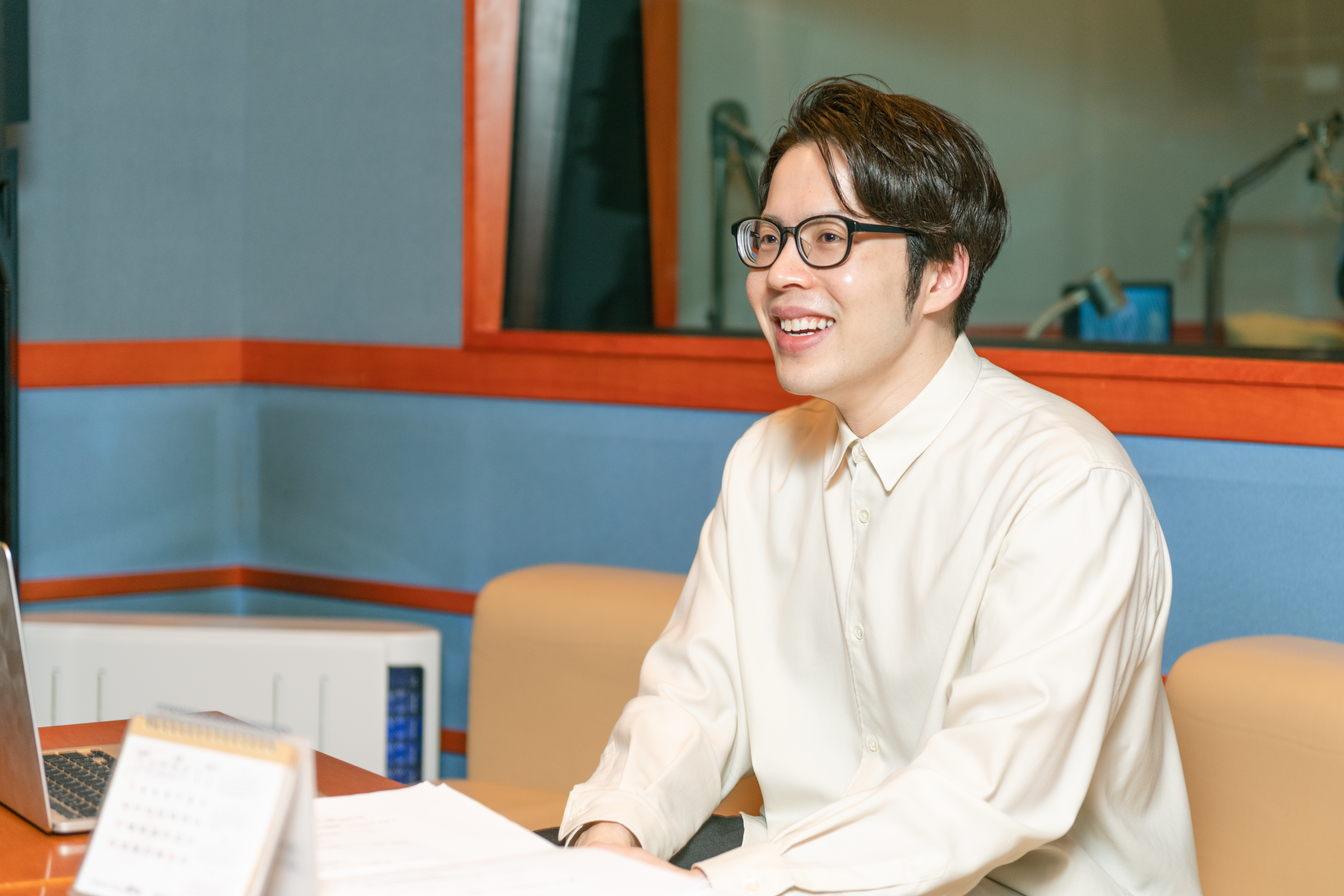
Masahiro Kobayashi
Professional Narrator
A Japanese male narrator handling over 200 projects a year across corporate videos, commercials and documentaries. Recorded in a broadcast-quality home studio and delivered fast.
Listen to voice samplesRelated Articles
How to Cast the Right Narrator for Automotive Promos: Voice-Tone Mapping by Vehicle Type and Audio Direction That Recreates the Test-Drive Experience
A practical guide for automakers and car dealers on narrator casting, voice-tone mapping by vehicle type, and audio direction techniques that let viewers relive the test-drive experience.
Narrator SNS Strategy 2026: Audio Content and Profile Design for X, Instagram, and TikTok
A 2026 guide for narrators to win more bookings through X, Instagram, and TikTok, covering platform-specific audio content formats and profile design that converts.
How to Choose In-Store Announcement Narrators: Voice Design That Cuts Through BGM Without Hurting Brand Image
A practical guide to selecting narrators for convenience stores, supermarkets, and drugstores, covering BGM balance, sales messaging without damaging brand image, and tone switching by daypart.
CONTACT
Narration Enquiries & Quotes
Corporate VP, commercials, e-learning, product manuals — you do not need everything decided. Send the script length, intended media and target date, and I will come back with a proposal.
- From
- ¥50,000〜
- Turnaround
- 24 hours
- Format
- WAV / MP3
* If you have a fixed budget, let me know and we can work from there.
Or email directly: info@kobatee.jp