The Hidden Costs Behind a Single Narration: A Practical Guide to Studio Fees, Retakes, Script Revisions, and Timing Adjustments
Narration from ¥50,000, delivered in as little as 24 hours.
* If you have a fixed budget, let me know and we can work from there.
Why narration costs often exceed the original quote
When a client hears “one narration project for X yen,” it often sounds like everything is included from recording to delivery. In reality, many small tasks are left unstated in the quote, and those tasks gradually increase the final cost. That is the “hidden cost.”
Typical examples include studio overtime, attended direction sessions, script replacements, post-recording timing adjustments, re-syncing to a temporary edit with BGM, file splitting, and revised naming conventions. Each item may cost only a few thousand yen, but together they can materially change the budget.
Even for a 3-minute corporate video, an initial quote in the 50,000-yen range can easily end up in the 70,000 to 90,000-yen range. The reason is not simply “high pricing.” It is usually the lack of clarity around what the base fee actually covers.
The full picture of hidden costs
Let’s break down the items that frequently appear outside the original estimate.
First, studio-related costs. If an external studio is used, rates often range from JPY 8,000 to 20,000 per hour. With an engineer present, JPY 15,000 to 30,000 per hour is common. If a planned 1-hour session turns into 2 hours because of additional direction or multiple performance variations, extra charges are inevitable.
Second, retake fees. A common misunderstanding is that unlimited revisions are free. In practice, the usual line is this: mistakes caused by the narrator—misreads or accent errors—are corrected at no charge, while changes caused by the client—script edits, direction changes, or tone changes—are billed separately. Typical rates are JPY 3,000 to 10,000 per round, or an additional 10% to 30% of the original fee.
Third, script revision costs. Even if the client wants to replace only one sentence after recording, the narrator may need to re-record an entire paragraph so that breathing, rhythm, and tone remain consistent. Even if the changed text is under 100 characters, the workflow still includes re-recording, editing, export, and review. That is why many professionals set a minimum handling fee, often starting around JPY 5,000.
Fourth, timing adjustment fees. In 30-second commercials, 15-second web ads, and exhibition videos, adjustments down to 0.2 seconds may be required. This is often underestimated. It is not just about speaking faster; the narrator must preserve meaning, phrasing, and intelligibility while fitting the target duration. If multiple takes and waveform editing are involved, this can add JPY 5,000 to 15,000.
The most overlooked out-of-scope tasks
In practice, budgets often expand not because of dramatic changes, but because of small downstream tasks.
A good example is file splitting. What seemed like one final audio file suddenly becomes “12 files by scene,” “separate folders by language,” or “use the naming format SC01_NA_JP_v02.” This significantly increases editing time. When the number of files exceeds 10, adding a fee of several hundred yen to JPY 1,000 per file is entirely reasonable.
Another common issue is fine-tuning after picture review. The narration matched the rough cut, but after the final edit, the text timing or visual pacing changes. Then requests come in such as “make the second paragraph 0.5 seconds shorter” or “soften the final line.” This is not simply part of the original recording; it is re-direction caused by the finished video, and it should be treated separately.
There is also the cost of waiting for approval. If the booth, director, and client are all connected online and decisions are delayed, the project accrues holding costs even when no one is actively recording. A 30-minute delay in approval can directly translate into studio overtime.
How to structure quotes to prevent hidden costs
The best solution is simple: separate the quote into a base fee and variable fees. In my view, the most practical structure has five layers:
- Base recording fee
- Studio and attendance fees
- Scope of free corrections
- Unit price for paid revisions
- Additional fees for delivery format
For example, a clearer quote might state:
- Base fee: up to 400 Japanese characters, one tone, one cleaned WAV delivery
- Free revisions: narrator errors, minor accent corrections, within 3 business days of first delivery
- Paid revisions: script change from JPY 5,000, timing adjustment from JPY 8,000
- Studio overtime: JPY 6,000 per additional 30 minutes
- File splitting: JPY 500 per file beyond 5 files
- Rush delivery: add 20% to 30% for delivery within 24 hours
When these conditions are defined in advance, clients are less likely to see them as surprise price increases. They become part of a transparent operating rule.
Three things clients can do today
First, lock the script before recording. Ideally, the script should be finalized, pronunciation-checked, and verified for proper nouns. Even if you manage drafts in Google Docs or Notion, the recording version should be fixed as a PDF with a version number.
Second, share the target timing standard early. For Japanese narration, a comfortable pace is usually around 250 to 300 characters per minute, depending on content. Once a 30-second script exceeds 200 characters, performance flexibility drops sharply. If timing is strict, a simple scratch read before the session can reduce later adjustments.
Third, write the revision policy into the estimate. Clarify whether two initial performance variations are included, and at what point client-driven re-recording becomes billable. Verbal agreements almost always become vague later.
A quote that looks cheap can become expensive in total
The final point is important: the cheapest-looking quote is not always the cheapest in the end. It is common to see low base rates combined with stacked fees for revisions, file splitting, timing work, and attended sessions.
What matters is not “how much per narration,” but what is included, and what happens beyond that scope. In narration production, cost control depends less on comparing talent rates and more on the transparency of the workflow.
Once hidden costs are made visible, clients can protect their budgets, and narrators can reduce unreasonable unpaid work. In the end, that also improves audio quality. Good narration does not begin with low prices alone—it begins with a well-designed estimate.
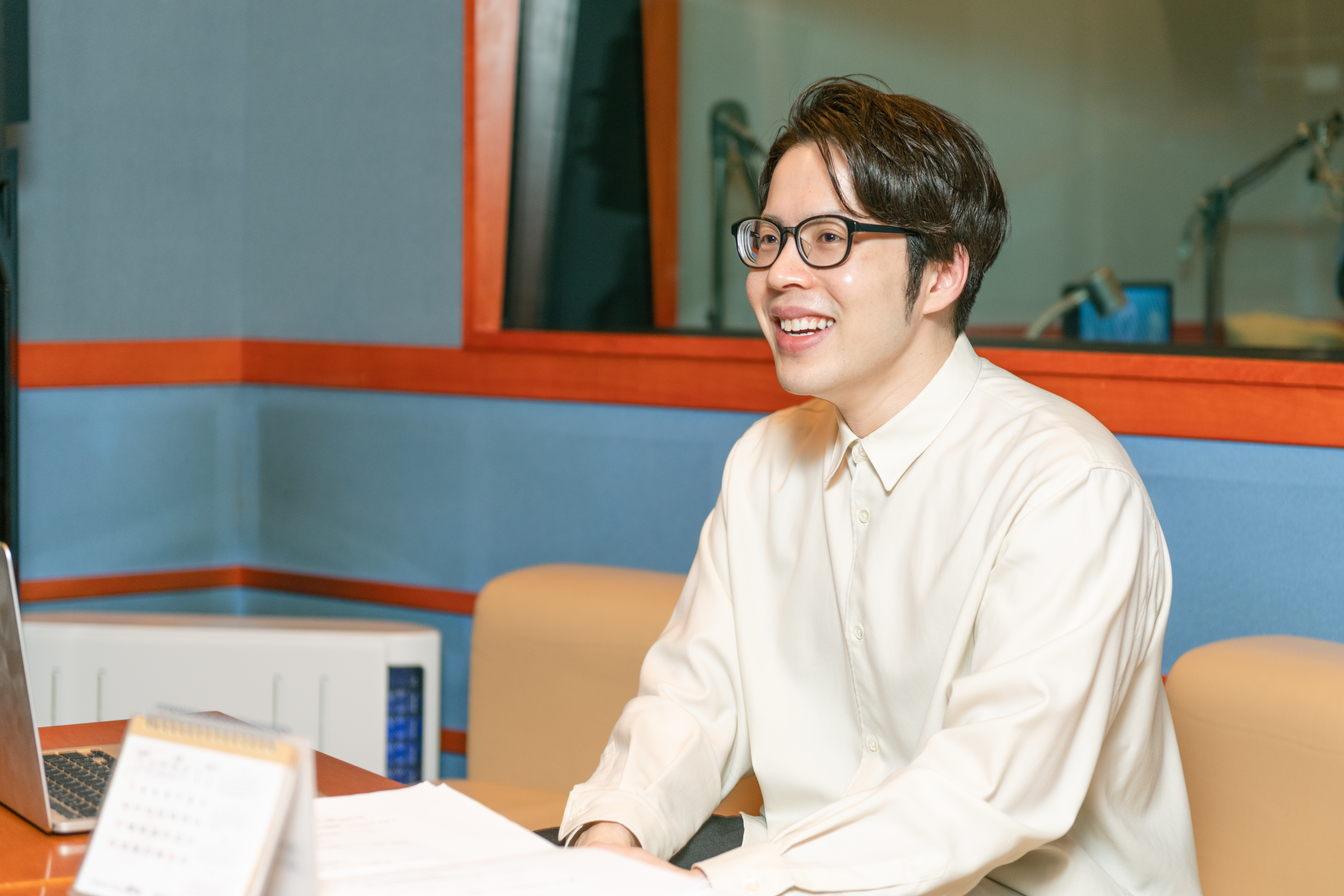
Masahiro Kobayashi
Professional Narrator
A Japanese male narrator handling over 200 projects a year across corporate videos, commercials and documentaries. Recorded in a broadcast-quality home studio and delivered fast.
Listen to voice samplesRelated Articles
The Complete Creative Brief for Voiceover Orders: A One-Page Template That Prevents Costly Misfires
Learn how to write a practical one-page creative brief for voiceover orders. This guide covers target audience, tone, prohibited expressions, reference audio, and competitor differentiation to prevent costly misalignment.
Attraction Guidance Narration Design for Theme Parks and Cinemas: Creating Immersion and Managing Multilingual Costs
A practical guide to attraction guidance narration for theme parks, amusement parks, and cinemas, covering immersive direction, tone design by age group, multilingual workflows, and realistic cost estimates.
Bulk vs Split Voiceover Orders: Per-Project Cost, Relationship Discounts, and Annual Budget Planning
A practical comparison of bulk vs split voiceover orders, including per-project pricing, relationship-based discounts, negotiation tactics, and annual budget planning.
CONTACT
Narration Enquiries & Quotes
Corporate VP, commercials, e-learning, product manuals — you do not need everything decided. Send the script length, intended media and target date, and I will come back with a proposal.
- From
- ¥50,000〜
- Turnaround
- 24 hours
- Format
- WAV / MP3
* If you have a fixed budget, let me know and we can work from there.
Or email directly: info@kobatee.jp