A Practical Guide to Successful Remote Direction with Home Studio Narrators
Narration from ¥50,000, delivered in as little as 24 hours.
* If you have a fixed budget, let me know and we can work from there.
Why Remote Sessions with Home Studio Narrators Are Becoming Standard
Voice recording workflows have changed significantly in recent years across commercials, corporate videos, e-learning, YouTube content, apps, and more. One format that has firmly taken hold is the remote-directed session: connecting with a narrator in a home studio and directing the recording online from another location.
The appeal goes far beyond simply eliminating travel. This approach is less dependent on studio availability, commuting time, and location logistics, making it easier to match the speed of modern production schedules. It is especially effective for fast-turnaround projects or productions involving stakeholders in multiple locations.
That said, remote direction comes with its own challenges. Tone can be harder to communicate, approval timing may slip, and revision notes can become vague. That is why success depends not only on equipment, but on having a well-designed workflow.
Preparation Has the Biggest Impact on Success
The quality of a remote session is not determined only by great live direction on the day. In many cases, the more precise the pre-session briefing is, the shorter and more effective the live communication becomes.
Information to Share in Advance
It helps to provide the narrator with the following before the session:
- Final script
- Pronunciation, accent, and proper noun guidance
- Intended audience profile
- Usage and distribution platform
- Desired tonal direction
- Reference reads or past examples
- File format and delivery specifications
- Preferred session time and attendance method
One of the most important points is to avoid stopping at abstract instructions like “make it brighter” or “more trustworthy.” Instead, define the tone in context. For example: “This is for a recruitment video, so it should feel approachable but not too casual,” or “This is medical content, so reassurance matters more than energy.” Specific framing reduces interpretation gaps.
Treat the Script as a Reading Document
A script that looks final to a producer may still be difficult for a narrator to read smoothly. Punctuation, line breaks, number formatting, English words, and emphasis cues all affect performance quality.
If possible, also include:
- Line breaks where breathing should naturally occur
- Ruby or pronunciation notes for difficult words
- Time restrictions for specific sections
- Visual edit points or scene transitions
How to Make Live Remote Direction Run Smoothly
On the session day, it is more important to align decision criteria than to give a large number of micro-instructions. If the team can lock in the right direction within the first few takes, the rest of the session becomes much more efficient.
Start by Aligning on the Goal
Before jumping into the read, briefly confirm:
- What matters most today
- Whether naturalness or informational clarity takes priority
- How strict the timing requirement is
- Whether the tone should remain consistent or shift by scene
This short alignment helps the narrator judge how far to push expression and when to prioritize steadiness.
Give Revision Notes Through Comparison, Not Just Feeling
Because shared room energy is missing in remote sessions, purely intuitive feedback is often harder to interpret.
For example, these notes are clearer:
- Instead of “A little brighter,” say
“Let’s add just one more level of smile to the current take.”
- Instead of “It sounds stiff,” say
“Let’s make it feel less like formal explanation and more like direct speaking.”
- Instead of “That’s not it,” say
“The ideal would be the naturalness of take 1 with the clarity of take 2.”
Comparative feedback helps narrators adjust quickly and accurately.
Review in Blocks Rather Than Stopping Every Line
Stopping after every sentence to fine-tune details can disrupt the overall flow. One major advantage of home studio recording is the ability to capture multiple takes flexibly in a calm environment. In many cases, it is more efficient to record by paragraph or section first, then return to specific lines for targeted fixes.
Using the Unique Strengths of Home Studio Recording
Working with home studio narrators should not be seen merely as a substitute for traditional studio sessions. Its real value comes from using the strengths unique to the format.
Flexible Pickups and Revisions
One of the biggest advantages of home recording is the ability to add or replace lines later in the same recording environment. In corporate work, legal review or internal approval often leads to wording changes after the initial session. The ability to respond quickly to those changes reduces production risk overall.
Easier Participation for Stakeholders
The more people involved in a session—client, agency, production company, creative lead—the heavier the burden of gathering everyone on-site. Remote attendance lowers that barrier and allows only the necessary people to join for the key approval moments.
Casting Beyond Geographic Limits
Because the recording location is no longer the main constraint, it becomes easier to choose narrators based on voice quality, performance style, or subject-matter fit. This shifts the mindset from “book whoever is nearby” to “choose the best voice for the project.”
Practical Points That Prevent Trouble
In remote sessions, problems often come not from the recording itself, but from unclear expectations around the process.
Items to Clarify in Advance
- Live-directed session or record-then-review workflow
- Scope and number of retakes
- How post-lock script changes are handled
- Degree of noise reduction or audio cleanup included
- File naming rules and delivery method
- Emergency communication channel
One especially important item is defining what counts as a free correction. Fixing a reading mistake is different from re-recording due to client copy changes. Clarifying that distinction early helps protect both sides and keeps the process professional.
Conclusion: Good Remote Direction Starts with Good Preparation
The key to successful remote direction with home studio narrators is not a secret technique. It is the quality of information sharing and the clarity of instruction. If the script, purpose, tone, and delivery requirements are well organized, high-quality recording can happen even when everyone is in a different place.
The strengths of home studio work are speed, flexibility, and casting freedom. To maximize those benefits, the goal is not to “figure it out on the spot,” but to reduce uncertainty before the session starts. When production companies, directors, and in-house video teams approach remote recording with that mindset, the process becomes smoother—and the results become stronger.
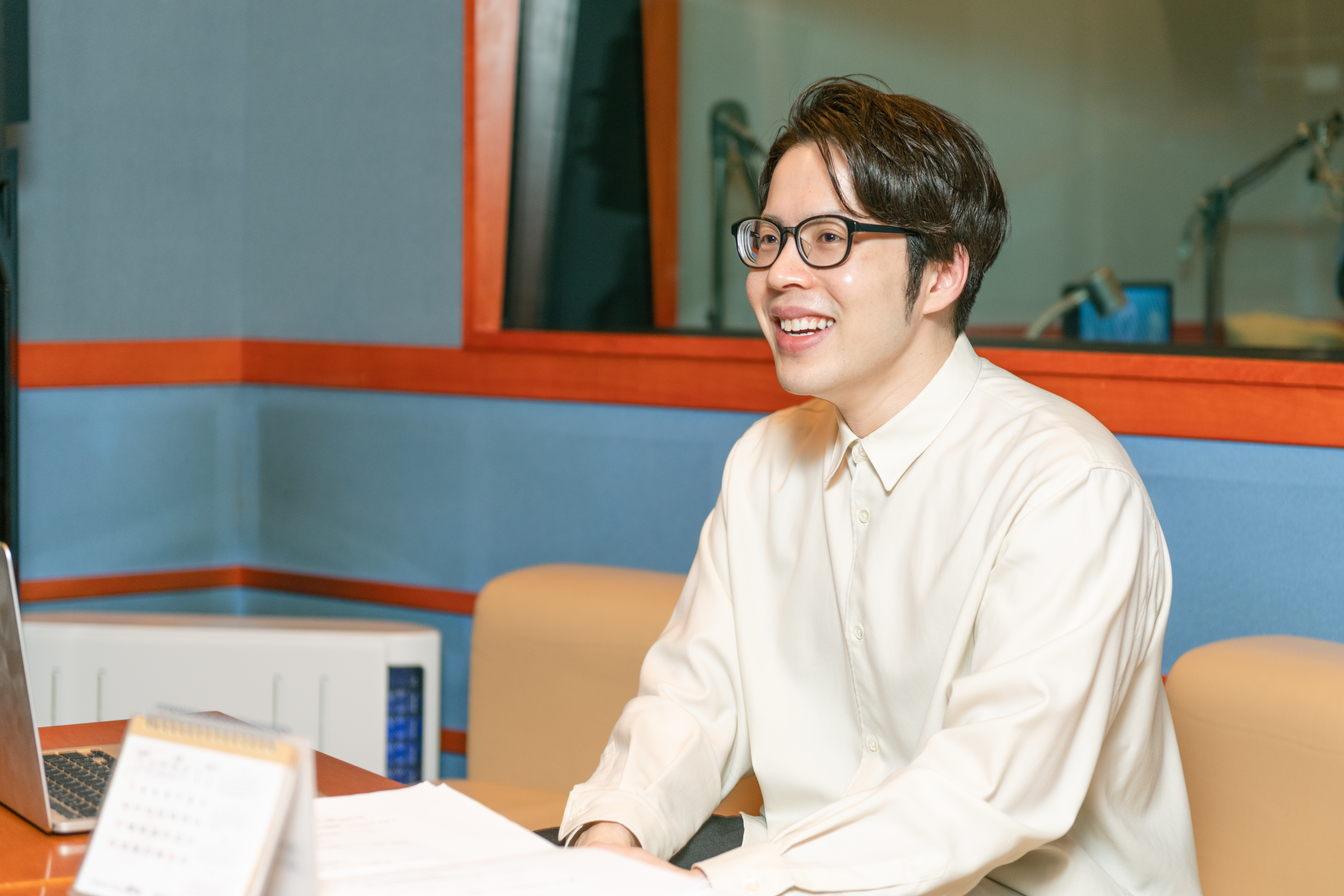
Masahiro Kobayashi
Professional Narrator
A Japanese male narrator handling over 200 projects a year across corporate videos, commercials and documentaries. Recorded in a broadcast-quality home studio and delivered fast.
Listen to voice samplesRelated Articles
Depreciation for Home Studio Narrators: Useful Tax Strategies for Mics, PCs, and Soundproofing
A practical guide to depreciation for home studio narrators, covering useful lives for microphones, audio interfaces, soundproofing, and PCs, plus when to expense costs immediately.
Turn Recording Pressure into Performance: Mental Control and Flow Routines for Narrators
How voice narrators can handle pre-session pressure, regulate nerves, sustain focus, and build practical routines to enter a flow state when it matters most.
Cloud DAW Strategies for Home Voice Talent: Comparing Soundtrap, BandLab, and Audacity Cloud for Real-Time Client Sessions
A practical guide for home voice talent on choosing and using cloud DAWs, comparing Soundtrap, BandLab, and Audacity Cloud-style tools, and designing real-time client-attended recording sessions.
CONTACT
Narration Enquiries & Quotes
Corporate VP, commercials, e-learning, product manuals — you do not need everything decided. Send the script length, intended media and target date, and I will come back with a proposal.
- From
- ¥50,000〜
- Turnaround
- 24 hours
- Format
- WAV / MP3
* If you have a fixed budget, let me know and we can work from there.
Or email directly: info@kobatee.jp