How Synchronizing Narration Rhythm with Visual Cuts Creates Immersion
Narration from ¥50,000, delivered in as little as 24 hours.
* If you have a fixed budget, let me know and we can work from there.
Narration and Visuals Are Not Separate Elements
In video production, narration is often treated as “the audio that explains,” while visuals are treated as “the material that shows.” That separation may be useful in workflow terms, but it does not reflect how audiences actually experience a piece. For viewers, narration and image are received as one flow. When the rhythm of the voice aligns with the timing of visual cuts, people do not simply understand the content—they feel drawn into it. That is a major source of immersion.
If narration moves too fast, the visuals fall behind. If the edit moves too quickly, the words do not stay with the audience. But when vocal tempo, phrasing, and pauses match the breathing of the cuts, information enters naturally and emotion is guided smoothly. In other words, immersion is not created only by dramatic direction. It is greatly shaped by whether sound and image breathe together.
Why Synchronization Deepens Immersion
The synchronization of narration and visuals matters because audiences do not watch with their eyes alone. They absorb visual changes while being guided by the rhythm of sound, and they understand spoken meaning more deeply through what they see. The smoother this exchange is, the lower the cognitive load during viewing.
This is especially effective in three ways:
- It speeds up comprehension
When a keyword lands at the moment of a cut, the structure of the information becomes clearer.
- It organizes emotional flow
A pause before a striking image creates anticipation and resonance.
- It makes the piece feel more polished
Even with the same footage, well-matched narration can make the edit feel more refined.
The right pacing is not simply “faster is better” or “slower is more elegant.” What matters is not whether narration obeys the visuals or visuals obey the voice, but whether both are designed as one continuous movement.
What to Watch When Matching Rhythm
When aligning narration and cuts, it is not enough to simply start a line at the head of a cut. What matters is not only exact seconds, but the perceived beat of the piece.
1. Match the center of the sentence with the center of the cut
Every sentence has a semantic center—the word that carries the core meaning. In a product video, that might be the product name. In a documentary, it may be a person’s name or the key event. If that word lands at the same moment the image presents a point of focus, the message becomes much more memorable.
For example:
- Use wider shots for introductory explanation
- Move into a closer shot on the key term
- Let the final phrase land with a logo or symbolic image
If the peak of the language and the peak of the image are misaligned, both lose impact.
2. Use pauses as editorial beats
A pause in narration is not just silence. It is a powerful editorial tool that helps the audience process meaning and anticipate what comes next. One common mistake in production is treating pauses as empty space that can always be tightened after the recording. In reality, those pauses often give the cut its persuasive force.
For instance:
- Stop the voice briefly before cutting to a strong image
- Leave half a beat after an emotional line to preserve resonance
- Give the viewer a moment to settle visually before the next idea begins
This is when the visuals begin to feel like they are breathing.
3. The ending of a phrase changes the feel of the cut
Narration rhythm is not determined only by how words begin. The way a phrase ends often serves as the bridge into the next cut. A hard stop, a gentle release, or a lingering finish can change whether an edit point feels sharp, smooth, or emotional.
- A firm ending makes the cut feel crisp
- A slightly carried ending creates a natural transition
- A soft, fading finish strengthens emotional aftertaste
If the vocal ending does not suit the visual tone, subtle discomfort builds up over time.
How to Apply This in Production
Ideally, narration should not be added only after the edit is nearly locked. The rhythm of the voice should be considered from the structuring stage. To improve the final result, the following process is effective.
During planning
- Design what will be shown and what will be said at the same time
- Match keyword placement with visual highlights
- Secure not only reading time, but also pauses for understanding
During rough editing
- Add even temporary narration to test pacing
- Do not judge timing by music alone; check the density once words are present
- Reevaluate sections that seem to work only because the delivery is rushed
During final recording
- Do not ask the narrator only to “fit the time”
- Share where cuts happen and which visuals are key moments
- Record multiple versions of pauses and line endings for comparison in the edit
A narrator is not simply someone who reads a script. A narrator is a creative partner who completes the rhythm of the visuals through sound. That recognition alone can significantly change the quality of recording direction.
Immersion Comes from Designing Information and Emotion Together
In video production, immersion does not come only from grand music or beautiful cinematography. It comes from creating a flow in which viewers can understand naturally without leaving emotion behind. At the center of that flow is the synchronization between narration rhythm and visual cuts.
If a piece feels “not bad, but somehow not engaging,” the issue may not be the footage or the amount of information. It may be that the breathing of voice and image is out of sync. On the other hand, even without highly complex direction, carefully aligning verbal peaks, pauses, and phrase endings with cut timing can dramatically improve the perceived quality of the work.
Narration is not just explanatory audio added afterward. It is part of the time design of the film itself. When sound and image begin to move in the same rhythm, the audience shifts from simply watching to truly entering the piece. That is where the power of effective visual storytelling lives.
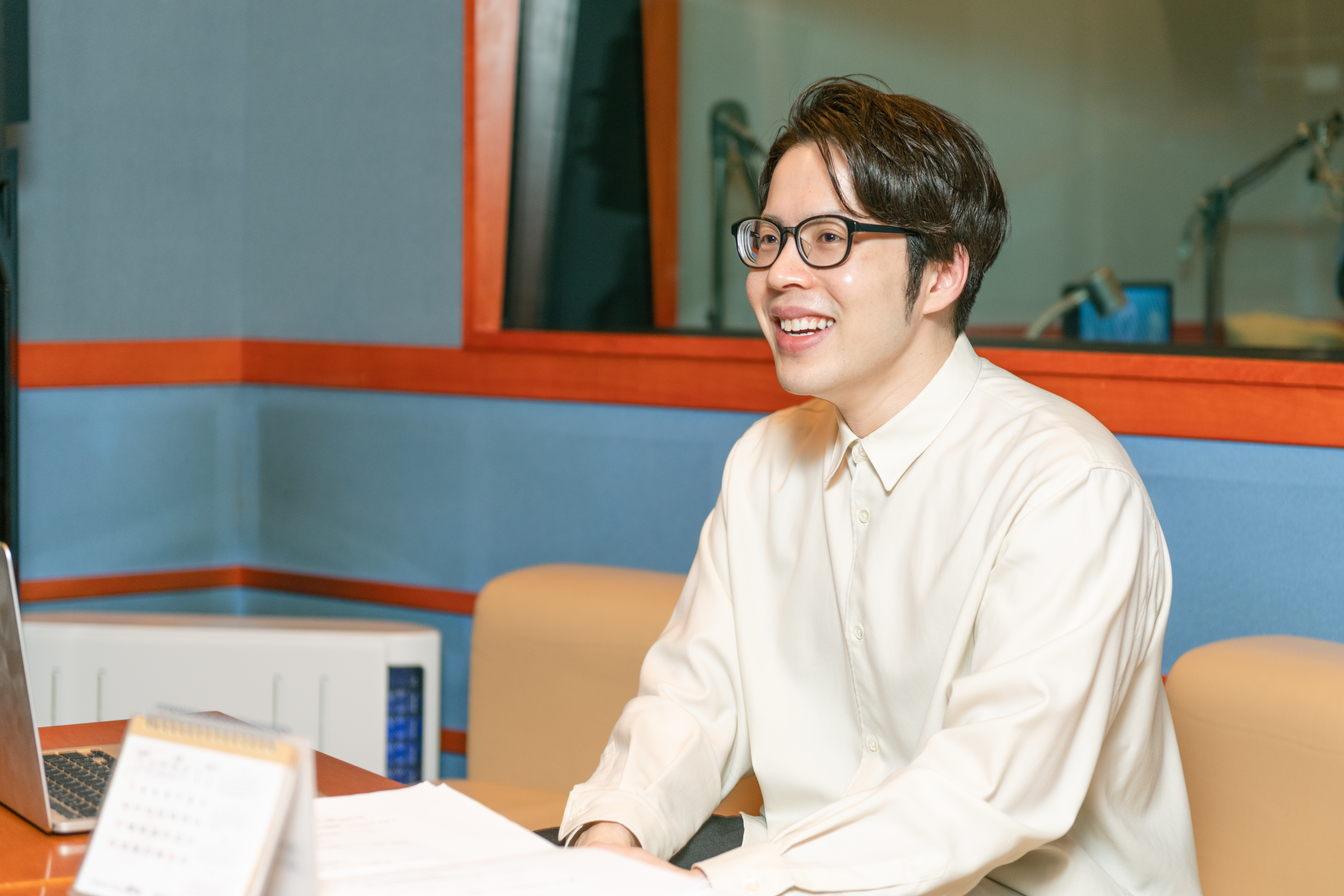
Masahiro Kobayashi
Professional Narrator
A Japanese male narrator handling over 200 projects a year across corporate videos, commercials and documentaries. Recorded in a broadcast-quality home studio and delivered fast.
Listen to voice samplesRelated Articles
Designing Narration for Audio Guides: Pacing at the Exhibit, Timing for GPS Triggers, and Workflow with Curators
A practical guide to narration design for museum, gallery, and tourism audio guides: pacing at exhibits, pause design for GPS-triggered playback, and efficient workflows with curators.
Multilingual Narration for Expos and International Exhibitions: Coexisting with Simultaneous Interpretation, Unifying Pavilion Tone, and Managing Recording Schedules
A practical guide to multilingual narration for expos and international exhibitions, covering coexistence with simultaneous interpretation, pavilion tone design, and recording schedule management.
Narration Design for Short-Form Social Video: How to Win the First Second in 15, 30, and 60 Seconds
A practical guide to narration for TikTok, Instagram Reels, and YouTube Shorts, covering first-second vocal hooks and vertical-format audio design by 15, 30, and 60-second durations.
CONTACT
Narration Enquiries & Quotes
Corporate VP, commercials, e-learning, product manuals — you do not need everything decided. Send the script length, intended media and target date, and I will come back with a proposal.
- From
- ¥50,000〜
- Turnaround
- 24 hours
- Format
- WAV / MP3
* If you have a fixed budget, let me know and we can work from there.
Or email directly: info@kobatee.jp