Why Distance, Angle, and Posture Matter to Narrators at the Microphone
Narration from ¥50,000, delivered in as little as 24 hours.
* If you have a fixed budget, let me know and we can work from there.
Microphone technique connects performance and recording quality
In narration recording, quality is shaped not only by script interpretation and delivery, but also by how the narrator physically works with the microphone. In video production, editing and post-processing can fix certain issues, but whether the voice is captured cleanly at the recording stage has a major impact on both the final result and the efficiency of the workflow.
Among the most important factors are distance, angle, and posture. These may sound basic, but they directly affect clarity, noise, tonal balance, expressive nuance, and even the listener’s overall impression.
For a narrator, the microphone is not just a device that captures sound. It is also a partner that determines how naturally emotion, texture, and articulation are conveyed. That is why stable microphone technique should be treated as a core professional skill.
Distance affects much more than volume
When people think about microphone distance, they often think only about louder or softer sound. In practice, distance influences far more than level.
What happens when you are too close
If the narrator is too close to the microphone, these problems are more likely:
- Plosives become stronger
- Breath noise becomes more noticeable
- Low frequencies build up, making the sound unnaturally heavy
- Small head movements create larger level differences
- The voice can feel overly intimate or pressurized
With condenser microphones in particular, the proximity effect can boost the low end. A voice intended to sound calm and rich may instead become muddy or overly thick. There are times when getting closer is a deliberate dramatic choice, but for explainers, corporate videos, and e-learning, it can easily reduce intelligibility.
What happens when you are too far
If the narrator is too far from the microphone, other issues appear:
- The core of the voice weakens
- Room reflections are picked up more easily
- Fine expressive detail becomes harder to capture
- Noise reduction and gain correction become more necessary in post
In narration that supports picture, clear information delivery is essential. Even if the reading itself is controlled, too much distance often results in a softer, less defined sound that requires more repair during editing.
The real key is consistency
There is no universal perfect distance; it depends on the microphone, booth, and production style. Still, a common starting point is about 15 to 20 cm from the mouth. More important than the exact number is maintaining that distance consistently.
If a narrator moves forward and backward too much while adding emotion, the recording will fluctuate in level and tone regardless of the performance intent. Expression should come primarily from the voice, while microphone distance should be controlled deliberately and within a stable range.
Angle helps reduce plosives and harshness
Many assume the best way to use a microphone is to speak directly into it. In narration, that is not always ideal. A straight-on position often lets plosives such as “p” and “b,” as well as strong bursts of breath, hit the microphone too directly.
A better approach is often to use a slightly off-axis angle.
Common angle strategies in narration recording
In practical sessions, these setups are often effective:
- Place the microphone slightly to the left or right rather than directly in front of the mouth
- Aim from a little above or a little below mouth level
- Shift the axis slightly so breath does not strike the capsule head-on
Even small adjustments like these can reduce plosives, soften sibilance, and create a smoother listening experience. This is especially valuable in narration-heavy projects where intelligibility must remain high.
Angle also changes tone
Angle is not only about avoiding noise. It also affects tonal character. A direct position tends to sound brighter and more defined, while a slightly off-axis position can soften hardness and produce a smoother texture.
That makes angle a useful creative tool depending on the tone of the video:
- Product introductions: prioritize clarity with a more direct setup
- Documentaries: favor naturalness with a slightly off-axis setup
- Premium commercials: reduce breath and edge for a refined tone
When narrators understand these differences, communication with engineers and directors becomes much more efficient.
Posture is the foundation of stable voice production
Posture is often overlooked, but it has an even greater effect on vocal stability than many people realize. Poor posture can make breathing shallow and affect articulation, phrase endings, and dynamic control.
Benefits of good posture
When posture is well aligned during recording, it helps with:
- More stable breathing
- More consistent vocal onset
- Stronger phrase endings in long passages
- Less unnecessary tension
- Better consistency between takes
Narration is not a job where one good sentence is enough. Quality must often be maintained for several minutes, sometimes much longer. That is why a repeatable physical setup matters so much.
Standing or sitting
Depending on the session, narration may be recorded standing or sitting. In general, standing tends to support breathing, resonance, and expressive flexibility more easily. On the other hand, sitting can be useful when maintaining a calm tone for a long period or when recording in tightly controlled sections to picture.
In either case, the key points are similar:
- Lengthen the spine naturally
- Do not push the neck forward
- Avoid excess tension in the shoulders
- Do not lift the chin too much when reading
- Keep the body axis from swaying unnecessarily
The ideal posture looks relaxed while actually providing strong stability.
Practical points for video production teams
Even when the narrator is conscious of distance, angle, and posture, the setup or direction of the session can make consistency difficult. Small adjustments from the production side can greatly improve recording stability.
Useful things to align before and during the session
- Establish a microphone position reference before recording starts
- When asking for more energy, describe not only volume but also tone and texture
- Clarify in advance whether the performance requires physical movement
- Place scripts or monitors at a comfortable eye line
- During retakes, check not only the reading but also any change in sound quality
For example, a direction like “please give it more intensity” may cause a narrator to lean forward unconsciously and end up too close to the mic. Performance direction and microphone technique are closely connected, so shared awareness is essential.
Conclusion: strong narration starts with strong positioning
The quality of narration is not determined by vocal appeal and reading skill alone. Only when the basics—distance, angle, and posture—are in place can clarity, credibility, and compatibility with the visuals be delivered consistently.
To summarize:
- Distance affects not only level but also tone and noise
- Angle adjustments help reduce plosives and harshness
- Posture supports breathing, articulation, and consistency
- Good production setup makes stable recording easier
Microphone position may seem like a minor detail, but it has a major influence on the finished result. If you want to raise the quality of narration in video production, pay attention not only to what is being read, but also to how the narrator stands and faces the microphone.
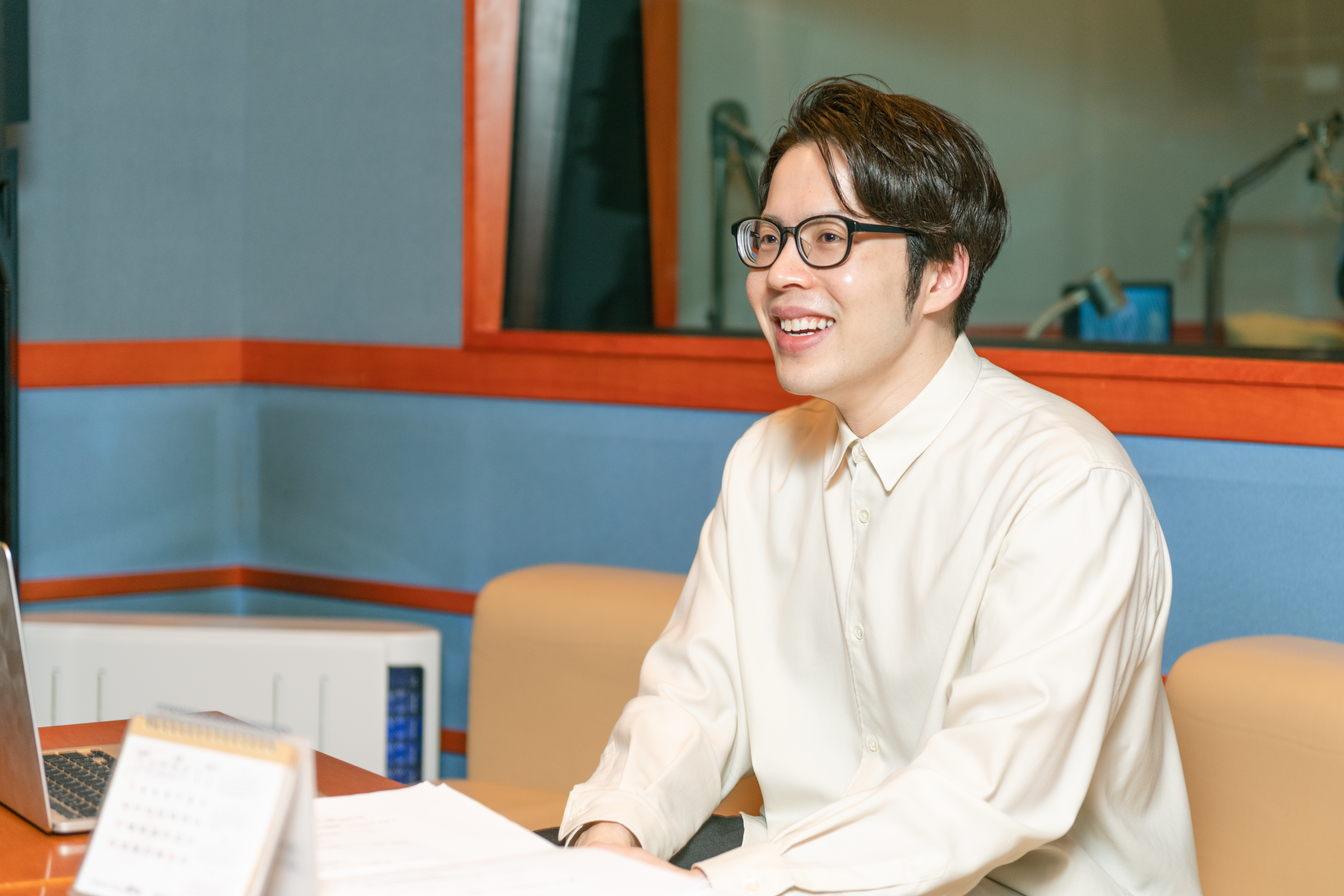
Masahiro Kobayashi
Professional Narrator
A Japanese male narrator handling over 200 projects a year across corporate videos, commercials and documentaries. Recorded in a broadcast-quality home studio and delivered fast.
Listen to voice samplesRelated Articles
Trainable Articulation for Narrators: Scientific Ways to Improve Diction with Tongue Training, Dental Approaches, and a 5-Minute Morning Routine
A practical, science-based guide to improving narration diction: measurable tongue-strength training, dental perspectives including mouthpieces and tongue-tie, and a professional 5-minute morning warm-up.
Narration Demand and Audio Specs for Game Streaming & Esports: How to Design a Voice That Delivers Real-Time Energy
A practical guide to narration for game streaming and esports: vocal techniques for real-time excitement, audience unity, and platform-specific audio specifications.
How Narrators Slow Vocal Aging: Voice Muscle Training, Posture, Breathing, and Career Strategy in Your 40s and 50s
Practical methods professional narrators in their 40s and 50s use to slow vocal aging: voice muscle training, posture correction, breathing, session management, and career strategies that turn changing vocal tone into an advantage.
CONTACT
Narration Enquiries & Quotes
Corporate VP, commercials, e-learning, product manuals — you do not need everything decided. Send the script length, intended media and target date, and I will come back with a proposal.
- From
- ¥50,000〜
- Turnaround
- 24 hours
- Format
- WAV / MP3
* If you have a fixed budget, let me know and we can work from there.
Or email directly: info@kobatee.jp