What Professional Narrators Notice: The Difference Between Good and Bad Recording Environments
Narration from ¥50,000, delivered in as little as 24 hours.
* If you have a fixed budget, let me know and we can work from there.
A Good Recording Environment Supports the Work of the Voice
In narration recording, attention often goes to microphones, preamps, and other gear. But from the person actually performing the script, what most strongly affects the final result is the recording environment itself.
No matter how expensive the microphone is, if the room is too reflective, the air conditioner is audible, or the atmosphere makes the talent uneasy, the voice will never reach its full potential. On the other hand, in a well-prepared environment, narrators can focus on the words without unnecessary stress, and their range of expression naturally expands.
For a professional narrator, a good recording environment is not simply “a quiet place.” It is a space that supports vocal performance in every sense: acoustics, workflow, direction, and psychological comfort.
What Happens in a Bad Recording Environment
When the recording environment is poor, the first problem is not only sound quality. The performance itself begins to change.
Vocal control becomes harder
For example, in a room with strong reflections, a narrator hears their own voice in an unnatural way. As a result, they may unconsciously suppress resonance or push too hard. The same happens when headphone monitoring is difficult to hear: intonation, phrasing, and line endings become unstable.
This often leads to changes such as:
- Inconsistent volume
- Weak or overly stiff endings
- An unnaturally fast pace
- Breathing that falls in the wrong places
- A focus on “not making mistakes” instead of expressing meaning
Concentration gets worn down
In an environment with too many distractions, the narrator’s attention slowly moves away from the script.
- Traffic or footsteps leaking in
- Constant HVAC or computer fan noise
- A booth that is too hot or too cold
- An awkward music stand or chair
- Poor coordination among staff causing long waits
Each of these may seem minor on its own, but together they absolutely affect performance. On longer sessions especially, the difference in concentration becomes more obvious as time goes on.
Characteristics of a Good Recording Environment
So what do sessions have in common when narrators feel, “This is easy to read in”?
Quiet sound and proper acoustic treatment
First, low unwanted noise is essential. But it is equally important that the room is neither too dead nor too reflective. In a properly treated space, narrators can clearly sense the contour of their own voice and maintain stable mic distance.
In a good environment, they do not need to overthink how they sound. They can focus on meaning, nuance, and delivery.
Natural monitoring
Headphone monitoring affects performance more than many people expect. If the narrator’s voice is too loud in the headphones, they may become tense. If it is too quiet, they become uncertain. Even a small discomfort can show up in rhythm and breathing.
A good session usually gets the following right:
- Appropriate monitor volume
- Minimal latency
- The option of one-ear or two-ear monitoring
- Clear communication volume from the director
An organized workflow
When tone, timing, proper noun pronunciation, and retake policy are shared before recording starts, the narrator’s sense of security improves dramatically.
What helps most is a workflow like this:
- Share the overall goal at the beginning
- Explain the criteria for judgment clearly
- Keep revision directions short and specific
- React when a take is working well
- Minimize unnecessary waiting time
Recording is not just the act of capturing sound. It is also the act of making decisions, one after another. The more organized the session, the easier it is to perform well.
What Truly Helps Professional Narrators
More than luxurious equipment, what narrators appreciate most is thoughtful preparation.
A well-prepared script and direction
If the script has inconsistent notation, unclear accents, or ambiguous revisions, the narrator carries extra cognitive load before even speaking. In contrast, a well-prepared session leaves more energy available for performance.
Helpful elements include:
- Clear pronunciation and accent notes
- Revisions that are easy to identify
- Shared target timing
- Reference audio or tone samples
- Team alignment on what counts as “OK”
Psychological safety for the performer
Narration may look calm and straightforward from the outside, but in reality it is highly delicate work. Whether the atmosphere allows experimentation, whether mistakes can be recovered from easily, and whether questions feel welcome all affect the final audio quality.
A good recording environment tends to have this kind of atmosphere:
- Easy to ask questions and confirm details
- Corrections framed as adjustments, not criticism
- No sense of being rushed
- The narrator treated as a creative partner
With that kind of security, the voice becomes noticeably more natural.
A Message to Video Production Teams
In video, narration does more than deliver information. It shapes the temperature, credibility, and emotional tone of the piece. And its quality is determined not only by the narrator’s skill, but by the multiplier effect of the environment.
If you have ever thought, “The same narrator sounds a bit stiff this time,” or “The performance has less expression than expected,” the reason may not be the talent’s condition alone. Reviewing room acoustics, monitoring, workflow, and communication can significantly improve the result.
A good recording environment does not necessarily mean expensive facilities. It means a space prepared so the performer can feel safe, concentrate, and go deeply into the meaning of the words. Professional narrators sense that difference from the very first line. And in the end, the audience hears it too.
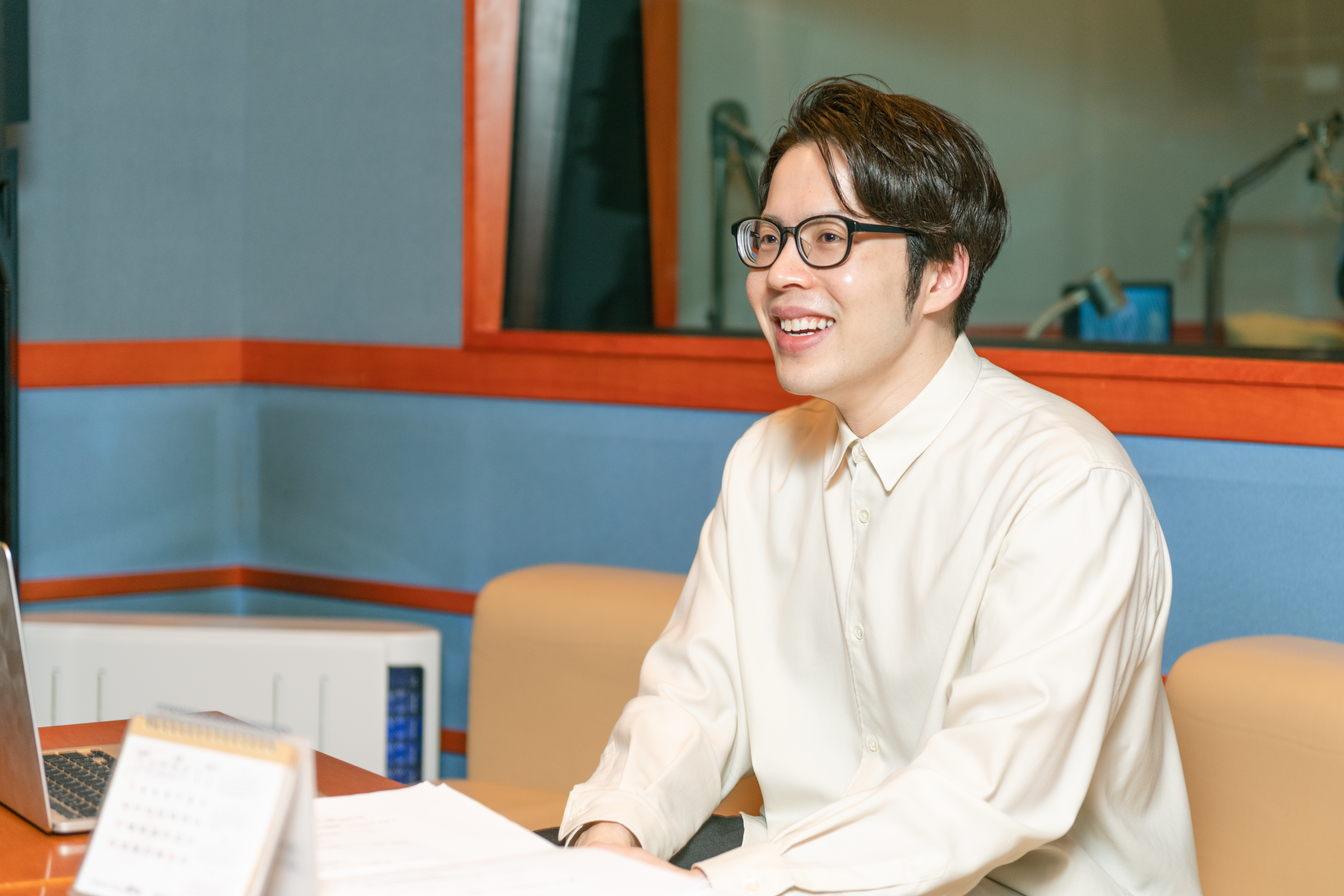
Masahiro Kobayashi
Professional Narrator
A Japanese male narrator handling over 200 projects a year across corporate videos, commercials and documentaries. Recorded in a broadcast-quality home studio and delivered fast.
Listen to voice samplesRelated Articles
Trainable Articulation for Narrators: Scientific Ways to Improve Diction with Tongue Training, Dental Approaches, and a 5-Minute Morning Routine
A practical, science-based guide to improving narration diction: measurable tongue-strength training, dental perspectives including mouthpieces and tongue-tie, and a professional 5-minute morning warm-up.
Narration Demand and Audio Specs for Game Streaming & Esports: How to Design a Voice That Delivers Real-Time Energy
A practical guide to narration for game streaming and esports: vocal techniques for real-time excitement, audience unity, and platform-specific audio specifications.
How Narrators Slow Vocal Aging: Voice Muscle Training, Posture, Breathing, and Career Strategy in Your 40s and 50s
Practical methods professional narrators in their 40s and 50s use to slow vocal aging: voice muscle training, posture correction, breathing, session management, and career strategies that turn changing vocal tone into an advantage.
CONTACT
Narration Enquiries & Quotes
Corporate VP, commercials, e-learning, product manuals — you do not need everything decided. Send the script length, intended media and target date, and I will come back with a proposal.
- From
- ¥50,000〜
- Turnaround
- 24 hours
- Format
- WAV / MP3
* If you have a fixed budget, let me know and we can work from there.
Or email directly: info@kobatee.jp