Testing Narrator Compatibility: Benefits and Best Practices for Pre-Recording Demo Samples
Narration from ¥50,000, delivered in as little as 24 hours.
* If you have a fixed budget, let me know and we can work from there.
Why “A Nice Voice” Alone Isn’t Enough When Choosing a Narrator
In video production, choosing a narrator is a key decision that shapes the overall impression of the final piece. Yet in practice, many teams still make decisions based mainly on first impressions from voice samples—thinking, “This voice sounds great,” or “This feels like a good fit.”
Voice quality and expressiveness do matter. But what really matters is whether the narrator can deliver the intended tone for your specific project, respond flexibly to direction, and work smoothly with your production team. In other words, narrator selection is not just about audio quality—it is also about compatibility.
That is why a pre-recording demo is so valuable. Even a short custom read can reveal things that polished portfolio samples do not. In this article, we will look at the benefits of requesting a demo in advance and how video production teams can do it effectively.
Key Benefits of Requesting a Demo Before the Main Recording
A demo is not just a “trial read.” It is a practical step that reduces risk and improves decision-making before the full session begins.
You can evaluate how well the voice fits the actual project
Existing voice samples are designed to showcase a narrator’s strengths. That does not always mean they will fit your current video perfectly. The best way to know is to hear them read your actual script.
A demo helps you judge points such as:
- Whether the voice conveys trust for a product video
- Whether it feels approachable enough for a recruitment film
- Whether it sounds too formal for a corporate profile video
- Whether the pacing matches your editing rhythm
Even when two narrators both sound “calm,” one may feel elegant, another distant, and another slightly cold. A demo is the best way to evaluate these subtle differences in context.
You can see how they respond to direction
A strong narrator is not defined only by the first take. More importantly, they should be able to understand creative intent and adjust their performance based on direction.
During the demo stage, try giving a few alternative notes, such as:
- A little brighter
- Less explanatory, more conversational
- Softer line endings
- Keep the premium feel, but slightly increase the speed
Their response to these adjustments tells you a lot. A narrator who quickly understands the note and changes effectively is likely to be reliable in the full recording. On the other hand, someone with a great voice but limited flexibility may create more revision work later.
You can reduce revision costs and re-recording risks
If you realize after the main recording that the tone is not what you expected, revisions or a complete re-record can affect both schedule and budget. A demo is especially valuable for projects like these:
- Projects with multiple internal approval steps
- Projects where the client’s preferences are still unclear
- Projects that will expand into multiple languages or a series
- Projects with tight deadlines and little room for rework
A short demo allows you to catch mismatches early, making it easier to control overall production costs.
How to Request a Demo Effectively
To make a demo truly useful, the request itself needs to be clear. If the brief is vague, the resulting audio may not give you enough information to make a good decision.
Keep the script to about 15–30 seconds
If the sample text is too long, it increases the narrator’s workload and makes comparisons harder. It is best to extract a representative section that includes the elements you want to evaluate and keep it to around 15–30 seconds.
Good script sections often include:
- A sentence that represents the overall tone of the video
- A passage where pacing can be judged
- A line that shows emotional nuance
- Proper nouns or technical terms
Even a short excerpt can reveal a lot about how the narrator handles the project’s demands.
Put the creative direction into words
“Please make it sound good” is too vague. For demo recordings, share the intended direction as specifically as possible.
#### What to communicate
- Intended use: web commercial, company profile, recruitment video, trade show video, etc.
- Target audience: general consumers, executives, students, medical professionals, etc.
- Desired tone: trustworthy, warm, innovative, friendly, premium, etc.
- What to avoid: too stiff, too salesy, overly emotional, etc.
- Reference materials: existing videos, scratch narration, BGM, storyboard, etc.
In particular, telling narrators what you want to avoid can significantly reduce mismatches.
Keep comparison conditions consistent
If you request demos from multiple candidates, standardize the conditions so you can compare fairly.
- Use the same script
- Specify the same target length
- Provide the same direction notes
- Request the same audio format
- If possible, ask for about two performance variations
If the conditions vary too much, you may end up comparing submission differences rather than actual suitability. Good comparison design leads to better decisions.
What to Check When Reviewing Demo Recordings
When the demo files arrive, do not choose based on personal preference alone. Review them from a practical production perspective.
Key checkpoints
- Does the voice match the world and tone of the video?
- Are the speed, pauses, and intonation easy to work with in editing?
- Do they naturally understand the script’s intent?
- Do they clearly change their read after receiving direction?
- Is the recording environment and audio quality acceptable?
- Is communication smooth and professional?
- Do their delivery timing and revision attitude feel reliable?
One point that is often overlooked is ease of communication. In real projects, many small clarifications come up, so response speed and clarity are important selection factors too.
Professional Etiquette and Practical Cautions
Requesting a demo means asking the narrator for extra time and effort. To build a good working relationship, handle the request with proper care.
Good practices
- Clarify in advance whether the demo is paid or unpaid
- State the usage scope clearly, such as “for selection purposes only”
- Tell them when they can expect a decision
- Send a polite follow-up even if they are not selected
- Avoid asking for too many variations
Also, do not reuse demo audio for commercial purposes unless that usage has been agreed upon. A demo should be treated as material for evaluation only, and usage terms should be communicated honestly.
Conclusion: A Demo Is Not Just Insurance—It Is an Investment in Success
Compatibility with a narrator cannot be fully judged from a profile or polished portfolio samples alone. A short custom demo using your actual script allows you to assess voice fit, responsiveness to direction, and ease of collaboration in a much more concrete way.
In video production, narration directly affects editing, creative impact, and client evaluation. That is why a small step before the main recording can make a major difference in both quality and workflow efficiency.
When you are unsure which narrator to choose, do not just look for someone who is “good.” Focus on whether they are the right partner to deliver results on this specific project. A demo recording is one of the most practical ways to test that compatibility.
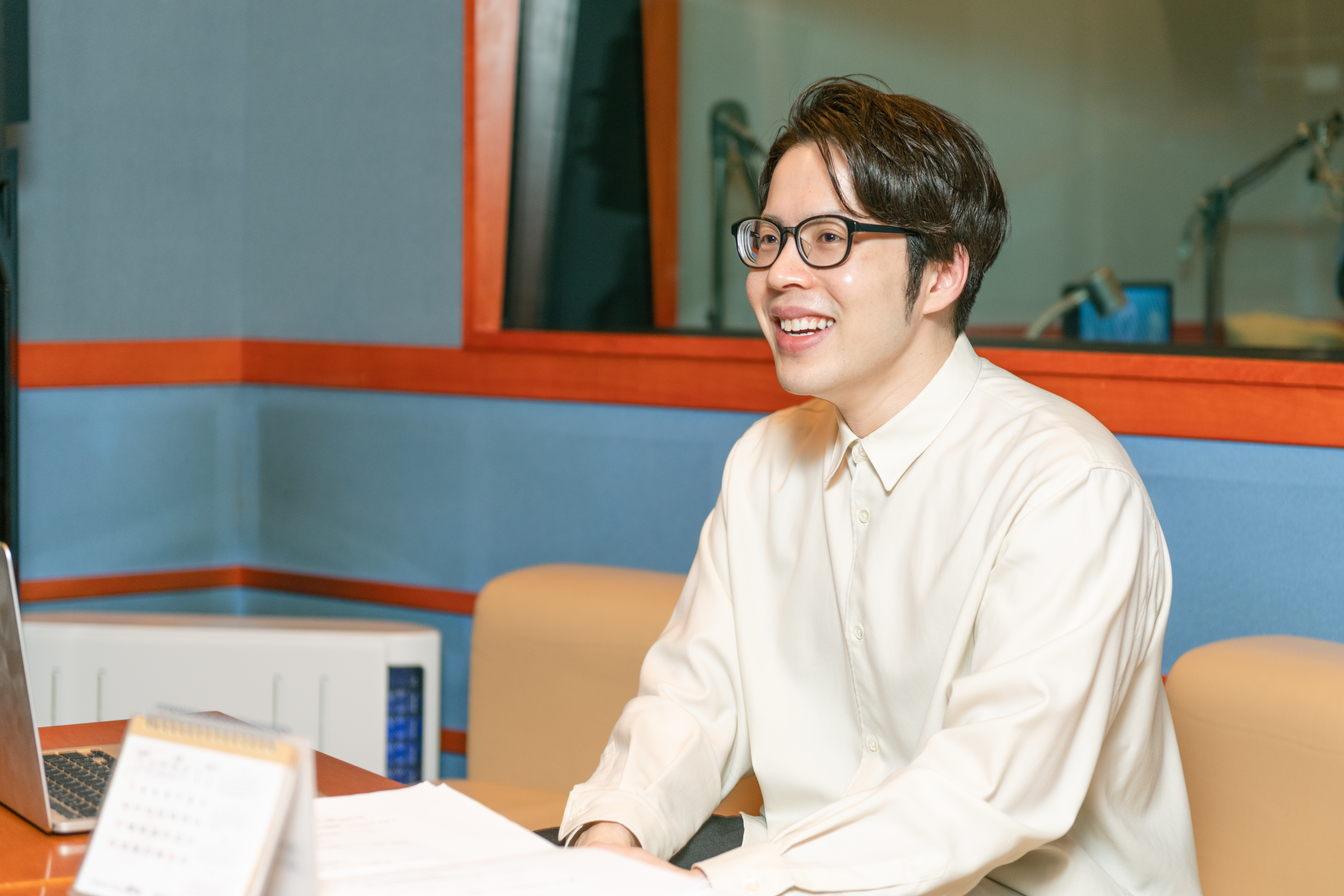
Masahiro Kobayashi
Professional Narrator
A Japanese male narrator handling over 200 projects a year across corporate videos, commercials and documentaries. Recorded in a broadcast-quality home studio and delivered fast.
Listen to voice samplesRelated Articles
How to Cast the Right Narrator for Automotive Promos: Voice-Tone Mapping by Vehicle Type and Audio Direction That Recreates the Test-Drive Experience
A practical guide for automakers and car dealers on narrator casting, voice-tone mapping by vehicle type, and audio direction techniques that let viewers relive the test-drive experience.
Narrator SNS Strategy 2026: Audio Content and Profile Design for X, Instagram, and TikTok
A 2026 guide for narrators to win more bookings through X, Instagram, and TikTok, covering platform-specific audio content formats and profile design that converts.
How to Choose In-Store Announcement Narrators: Voice Design That Cuts Through BGM Without Hurting Brand Image
A practical guide to selecting narrators for convenience stores, supermarkets, and drugstores, covering BGM balance, sales messaging without damaging brand image, and tone switching by daypart.
CONTACT
Narration Enquiries & Quotes
Corporate VP, commercials, e-learning, product manuals — you do not need everything decided. Send the script length, intended media and target date, and I will come back with a proposal.
- From
- ¥50,000〜
- Turnaround
- 24 hours
- Format
- WAV / MP3
* If you have a fixed budget, let me know and we can work from there.
Or email directly: info@kobatee.jp