Global Video Production Guide for International Markets: Cultural Sensitivity and Multilingual Narration Design

Narration from ¥50,000, delivered in as little as 24 hours.
* If you have a fixed budget, let me know and we can work from there.
Why Translation Alone Is Not Enough for Global Video
When producing video for international markets, simply translating a Japanese script into English and adding subtitles or dubbing is not enough. Audience perception is shaped not only by words, but also by visuals, color choices, gestures, humor, speaking pace, and timing. A video that performs well in Japan may fail to communicate clearly overseas, or worse, create misunderstanding.
This is especially important for corporate profiles, product explainers, recruitment videos, training content, and safety films, where accuracy and trust matter. In global video production, what you need is not just translation, but localization built on cultural sensitivity.
Three perspectives to define at the start
- Linguistic accuracy: prevent mistranslations and awkward phrasing
- Cultural acceptability: respect religion, customs, and values
- Operational scalability: build a workflow that supports multilingual rollout
If these are addressed early, costly revisions later in the process can be significantly reduced.
Cultural Checks to Build Into the Planning Stage
The success of a global video is often decided in planning, not in post. Rather than trying to “fix it for overseas” at the end, it is better to design footage and scripts from the beginning so they can travel well across markets.
Common visual elements that require attention
The following often carry different meanings depending on country or region:
- Gestures such as pointing or hand signs
- Clothing, skin exposure, and physical contact
- Religious sites, food culture, and holidays
- Symbolism of colors
- Representation of age, gender, and ethnicity
- The tone of competitive comparison or strong claims
An expression that feels warm and friendly in one market may seem careless or aggressive in another. If you are producing a global master version, it is safer to avoid highly local references and choose neutral, broadly acceptable direction.
Script expressions to avoid
Narration scripts can also create problems if they are difficult to translate naturally.
- Metaphors and proverbs
- Insider jokes and trendy slang
- Sentences with unclear subjects
- Long, layered explanations
- Vague politeness or indirect phrasing
For multilingual production, the basic rule is: keep it short, clear, and unambiguous. This improves not only translation quality, but also subtitle readability and dubbing efficiency.
Practical Rules for Multilingual Narration Design
One of the biggest challenges for production teams is how to expand narration into multiple languages. Here are the key design points from a practical standpoint.
Choose the recording format early
Common multilingual approaches include:
- Subtitles: cost-effective and easy to deploy
- Voice-over: preserves original audio while adding language support
- Full dubbing: offers stronger immersion and clarity
- Market-specific edits: allows optimization by region
The right choice depends on goals, budget, schedule, and viewing environment. Subtitle-led versions may work for social ads, dubbing may suit training or trade-show content, and region-specific edits can be effective for brand films.
Tips for narration script design
If you prepare the script with multilingual recording in mind, production becomes much smoother.
- Keep sentences short and clearly segmented
- Standardize rules for numbers, units, and proper nouns
- Leave enough timing around scene changes
- Edit with the expectation that some languages will run longer
- Define the intended emotional tone in advance
Languages such as English, Chinese, and Spanish differ from Japanese in information density and speaking rhythm. A cut that fits perfectly in Japanese may not fit at all in another language. Build timing buffers into visuals and on-screen text from the start.
Casting and direction considerations
When selecting voice talent, accurate pronunciation is only one part of the equation. Regional suitability also matters.
- Standard accent or regional accent
- Perceived age, authority, and warmth
- Fit for B2B or consumer-facing communication
- Consistency with brand tone
The same English script can feel completely different depending on delivery. Before recording, share reference audio, tone direction, emphasis notes, and prohibited pronunciations. If possible, involve a native-language supervisor during the session to ensure consistency.
Build the Workflow for Multilingual Production From the Beginning
Many problems in multilingual video come from the workflow itself. If translation starts only after the Japanese version is complete, issues such as overlength narration, broken subtitles, re-editing, and re-recording are much more likely.
Recommended workflow
1. Define target countries and regions
2. Plan structure with cultural review included
3. Write a Japanese script optimized for multilingual use
4. Supervise as localization, not simple translation
5. Test subtitle volume and timing at the rough-cut stage
6. Make final adjustments after each language is recorded
This workflow helps you create videos that truly communicate in each market, rather than merely replacing words.
Conclusion: Effective Global Video Is Won in the Design Phase
The quality of an international video is not determined by translation alone. It depends on whether planning, scriptwriting, visual expression, narration, recording format, and supervision are all designed as one connected system.
For production teams, three practical priorities stand out:
- Include cultural sensitivity from the start
- Prepare narration scripts for multilingual adaptation
- Build a globally ready workflow from day one
Global video production is not just about changing languages. It is about redesigning how meaning is delivered. That is why early decisions around voice, language, and localization strategy have a direct impact on results.
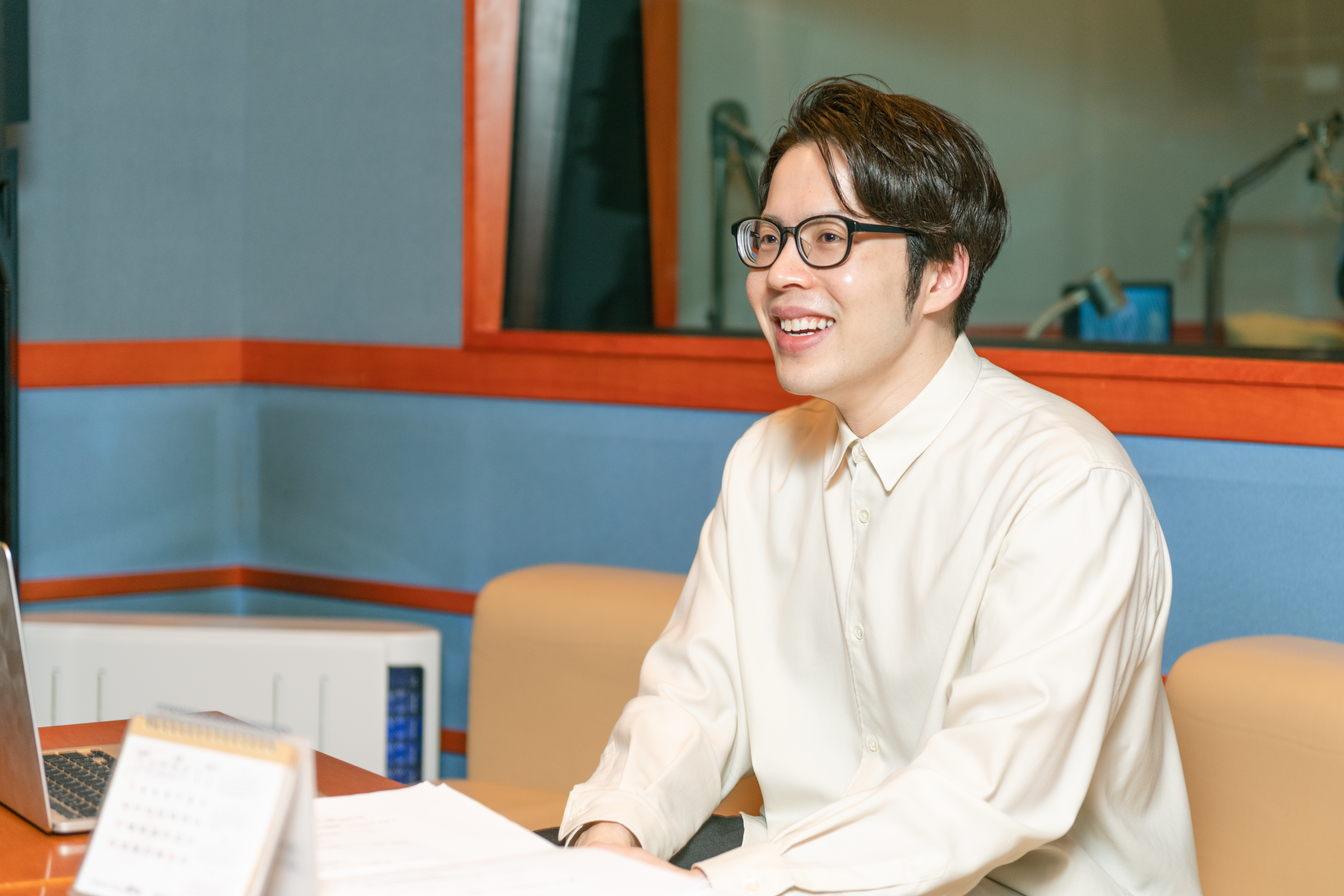
Masahiro Kobayashi
Professional Narrator
A Japanese male narrator handling over 200 projects a year across corporate videos, commercials and documentaries. Recorded in a broadcast-quality home studio and delivered fast.
Listen to voice samplesRelated Articles
The Complete Guide to Podcast Narration and Jingle Production: Voice Design for Openings, Endings, and Transitions, Plus Spotify and Apple Podcasts Audio Standards
A practical guide to podcast narration and jingle production, covering voice-role design for openings, endings, and transitions, plus loudness, audio quality, and delivery specs for Spotify and Apple Podcasts.
DIY Soundproof Doors and Windows for Home Voice Talent: Understanding Dr Ratings, Rental-Safe Builds, and ROI
A practical guide for home voice talent on DIY soundproof doors and windows: how to read Dr ratings, build rental-safe temporary solutions, and calculate cost-effectiveness.
Voice Design for Airline and Airport Announcements: ICAO Clarity, Japanese in Multilingual PA, and Emergency Contrast
A practical guide to airline and airport announcement voice design, focusing on ICAO-style intelligibility, the role of Japanese in multilingual PA, and vocal contrast between routine and emergency messages.
CONTACT
Narration Enquiries & Quotes
Corporate VP, commercials, e-learning, product manuals — you do not need everything decided. Send the script length, intended media and target date, and I will come back with a proposal.
- From
- ¥50,000〜
- Turnaround
- 24 hours
- Format
- WAV / MP3
* If you have a fixed budget, let me know and we can work from there.
Or email directly: info@kobatee.jp