How Much Can You Save on Narration by Skipping a Recording Studio?
Narration from ¥50,000, delivered in as little as 24 hours.
* If you have a fixed budget, let me know and we can work from there.
Which Costs Decrease When You Don’t Use a Recording Studio?
In narration production for video, the total cost usually includes the narrator fee, studio fee, direction fee, and engineer fee.
When you skip a recording studio, the most direct savings come from studio-related expenses.
Typical cost items that can be reduced include:
- Studio rental fee
- Recording engineer attendance fee
- Coordination costs tied to travel and booking time
- Overtime charges caused by extended recording sessions
- Scheduling burden for client and staff attendance
In recent years, more narrators have built treated home booths and professional home-recording setups. Because of that, “no studio” production has become a practical option for many projects.
This is especially true for corporate videos, web content, e-learning, trade show videos, and YouTube ads.
Typical Price Difference
The difference between studio recording and non-studio recording can range from a few thousand yen to several tens of thousands of yen per project.
Of course, the final amount varies depending on the narrator’s profile, script length, number of retakes, and whether audio cleanup is included. Still, the general comparison looks like this:
With studio recording
- Narrator fee: around ¥20,000–¥80,000
- Studio fee: around ¥10,000–¥30,000
- Engineer fee: around ¥10,000–¥20,000
- Direction fee: around ¥10,000–¥30,000
Estimated total:
- Around ¥50,000–¥160,000
Without studio / home recording
- Narrator fee: around ¥20,000–¥80,000
- Home-recording / basic cleanup fee: around ¥0–¥20,000
- Direction fee: around ¥0–¥20,000
Estimated total:
- Around ¥20,000–¥120,000
Under the right conditions, this means you may reduce costs by roughly ¥10,000–¥40,000 per project.
For short-form or recurring work, that gap can make a major difference over the course of a year.
Which Projects Benefit Most from Cost Reduction?
Skipping the studio is not ideal for every project.
However, it tends to deliver strong cost performance for the following types of work.
Web videos and social media videos
For short-form content where speed matters, fast delivery often matters more than a fully booked studio session.
Home recording simplifies scheduling and makes revisions easier, helping the whole production move faster.
E-learning and training audio
Educational materials and internal training content are often produced in series or split into multiple modules, so budgets per file tend to be limited.
In these cases, ongoing home-recording arrangements often reduce total spend more effectively than booking a studio every time.
Internal and B2B videos
If the project does not require the same level of sound design as a national TV commercial, a good home-recorded narration may be more than sufficient in practice.
This is particularly true when the main listening environment is a PC or smartphone.
Costs That May Not Disappear
It is risky to assume that “no studio” automatically means “dramatically cheaper.”
Even if the studio fee is removed, other costs may still remain.
The narrator’s performance fee still matters
Script comprehension, expression, tone control, pacing, and retake handling are the core value of narration, regardless of where it is recorded.
That means skilled narrators may not lower their base fee very much simply because a studio is not used.
Audio cleanup may take more time
With home recording, issues such as environmental noise, room reflections, microphone differences, and level inconsistency can occur more easily.
Even if the upfront quote looks lower, extra post-production work may reduce the actual savings.
Direction must be planned carefully
When there is no supervised live session, unclear direction often leads to more retakes.
As a result, the first quote may be inexpensive, but revision rounds can increase both time and cost.
How to Avoid Problems When Skipping the Studio
To make cost reduction truly successful, it is important not only to choose a cheaper method, but also to design the overall workflow properly.
Items to confirm in advance
- Distribution channel and usage scope
- Video length and expected script volume
- Desired voice quality and delivery style
- File format
- Whether noise reduction or cleanup is included
- Maximum number of retakes
- Deadline and revision response window
Clarifying these items early helps prevent unnecessary re-recording.
Always check a sample first
For home-recorded narration, it is better to review a short test read before moving straight into the final take.
Key points to review:
- Whether the sound quality is acceptable
- Whether room tone or noise is within tolerance
- Whether the reading style matches the intended direction
- Whether the voice fits naturally with the video
This small step can significantly reduce downstream trouble.
Conclusion: The Savings Are Real, but Project Fit Matters
When you do not use a recording studio, you can mainly reduce studio fees, engineer fees, and coordination costs, with an expected cost reduction of about ¥10,000–¥40,000 per project.
This is especially effective for projects such as web videos, e-learning, and internal corporate content, where speed and budget control are important.
On the other hand, studio recording still offers strong value for projects that require premium sound quality, detailed performance direction, or real-time approval from multiple stakeholders.
Rather than deciding based on price alone, evaluate the project from these perspectives:
- Required audio quality level
- Expected number of revisions
- Production schedule
- Viewing platform
- Balance within the overall budget
Skipping the studio is not just a cost-cutting tactic. When matched to the right project, it can improve both production speed and cost efficiency at the same time.
Choose the recording approach that best fits the purpose of your video.
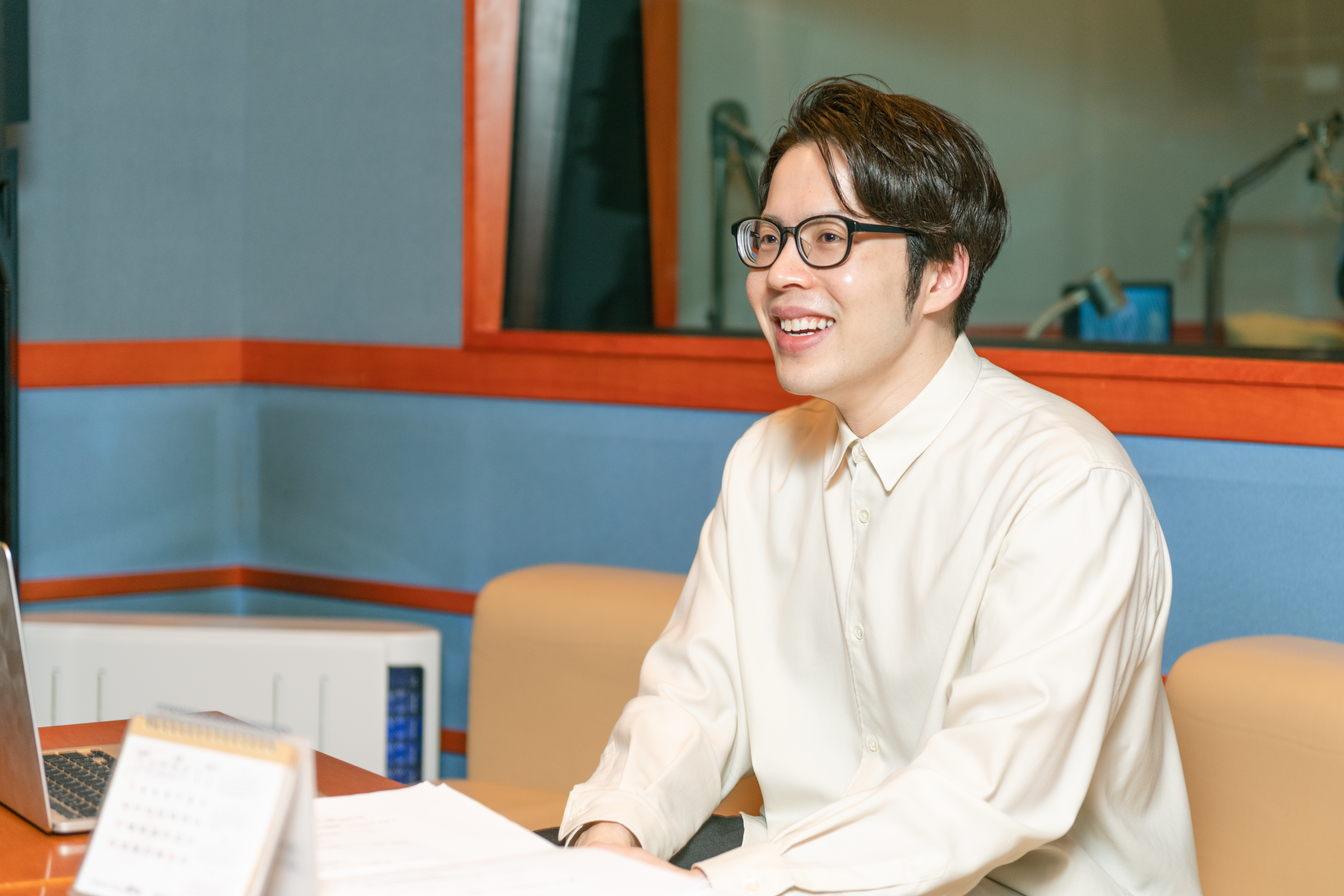
Masahiro Kobayashi
Professional Narrator
A Japanese male narrator handling over 200 projects a year across corporate videos, commercials and documentaries. Recorded in a broadcast-quality home studio and delivered fast.
Listen to voice samplesRelated Articles
The Complete Creative Brief for Voiceover Orders: A One-Page Template That Prevents Costly Misfires
Learn how to write a practical one-page creative brief for voiceover orders. This guide covers target audience, tone, prohibited expressions, reference audio, and competitor differentiation to prevent costly misalignment.
Attraction Guidance Narration Design for Theme Parks and Cinemas: Creating Immersion and Managing Multilingual Costs
A practical guide to attraction guidance narration for theme parks, amusement parks, and cinemas, covering immersive direction, tone design by age group, multilingual workflows, and realistic cost estimates.
Bulk vs Split Voiceover Orders: Per-Project Cost, Relationship Discounts, and Annual Budget Planning
A practical comparison of bulk vs split voiceover orders, including per-project pricing, relationship-based discounts, negotiation tactics, and annual budget planning.
CONTACT
Narration Enquiries & Quotes
Corporate VP, commercials, e-learning, product manuals — you do not need everything decided. Send the script length, intended media and target date, and I will come back with a proposal.
- From
- ¥50,000〜
- Turnaround
- 24 hours
- Format
- WAV / MP3
* If you have a fixed budget, let me know and we can work from there.
Or email directly: info@kobatee.jp