How Microphone Differences Affect Narration Quality and How to Choose One for Home Recording
Narration from ¥50,000, delivered in as little as 24 hours.
* If you have a fixed budget, let me know and we can work from there.
How Much Can a Microphone Change the Impression of Narration?
In narration recording, performance skill and script understanding are essential, but the microphone has a major impact on the final sound.
Even with the same voice, room, and reading style, changing the microphone can make the narration feel brighter, calmer, closer, or more premium.
In video production, the role of narration differs from project to project. A corporate video may require trust and authority, a YouTube ad may need clarity and cut-through, a documentary may benefit from a natural tone, and e-learning often needs a sound that remains easy to listen to over time.
That means microphone choice is not just a gear decision—it is part of sound design for the content itself.
Now that home recording is common, whether a narrator has chosen the right microphone and built a stable recording setup directly affects production efficiency. It helps reduce retakes, lowers the burden of audio cleanup, and improves delivery speed. For that reason alone, understanding microphone choice has real value.
The Main Differences You Should Know First
The differences between microphones are not only about price. The key factors that affect narration quality are usually the following:
- Brightness or softness of tone
- Clarity of consonants
- Thickness of low frequencies
- Tendency to pick up noise
- Sensitivity to room reflections
- Sense of distance in the recorded voice
In home recording especially, it is difficult to create a perfectly controlled acoustic environment like a studio. That makes compatibility with the room just as important as the microphone’s raw performance.
Characteristics of Condenser Microphones
Condenser microphones are widely used for narration. Their strength is high sensitivity, which allows them to capture subtle nuance and breath detail.
At the same time, that sensitivity means they can easily pick up air conditioning, computer fans, and room reflections.
They are often well suited to:
- Corporate videos
- Commercial narration
- Brand films
- Calm, polished explanatory content
Because they tend to deliver sheen and detail, they can be extremely effective in a well-prepared home studio.
Characteristics of Dynamic Microphones
Dynamic microphones are generally less affected by surrounding noise and room reflections than condensers.
That makes them easier to handle in home environments that are not fully soundproof, and they often produce a close, focused vocal sound.
They can work well for:
- Spaces where household noise is hard to avoid
- Recordings that benefit from intimacy
- Streaming and talk-oriented video
- Situations where excessive room tone must be minimized
However, depending on the model, they may offer a little less high-frequency delicacy, and for some video projects the result can feel slightly more “broadcast” or “radio-like.”
How to Choose a Microphone for Home Recording Without Regret
A common mistake in home recording is assuming that a more expensive microphone is automatically the best choice. In reality, if your room is reflective, a highly sensitive microphone can become harder to manage.
The important thing is to evaluate these three points together.
1. Match with the Voice
If a voice is naturally soft, a brighter microphone may help improve presence and intelligibility.
On the other hand, if the voice already has strong highs, a slightly more restrained microphone may produce a smoother result.
Points to check include:
- Do “s” sounds become too sharp?
- Does the voice sound muffled?
- Do the lows become too heavy?
- Are consonants clearly defined?
2. Match with the Room
In home recording, the sound is shaped not by the microphone alone, but by the room as well.
In a reflective space, a highly sensitive microphone may capture too much ambience, leading to unnatural noise reduction later in editing.
When assessing the room, pay attention to:
- Whether walls and desks create strong reflections
- Whether HVAC or outside noise leaks in
- Whether there are treatments such as absorbers, curtains, or rugs
- Whether the speaker can work close to the mic naturally
3. Match with the Project
The ideal narration sound changes depending on the type of video.
#### Projects That Prioritize Clarity
- Product introductions
- IT and service explainers
- Training videos
- E-learning
A clear, intelligible sound is usually the advantage here.
#### Projects That Prioritize Atmosphere
- Brand movies
- Tourism videos
- Recruitment films
- Documentaries
A softer sound with depth and a sense of air can sometimes be a better fit.
A Practical Way to Evaluate Microphones for Home Recording
In real-world work, comparing actual recordings matters more than reading a spec sheet.
If possible, record the same script with multiple microphones and evaluate them from these perspectives:
- Does it sound natural before processing?
- Does it sit well over the video?
- Does it work without heavy EQ correction?
- Is it comfortable to listen to over time?
- After noise reduction, does the voice become too thin?
In home narration, flashy sound at the moment of recording is less important than editability and consistency. The ability to deliver stable quality every time is a major advantage for production teams.
Other Factors That Influence Quality Beyond the Microphone
Microphone choice matters, but it does not determine the entire result. The following elements are equally important:
- Audio interface
- Pop filter
- Microphone stand
- Acoustic treatment
- Proper mic distance
- Stable recording level
Plosive control and room reflection control, in particular, make a major difference in home recording quality.
Even an excellent microphone cannot perform at its best if placement and recording posture are unstable.
Conclusion: In Home Recording, Fit Matters More Than Luxury
Microphone differences absolutely have a significant effect on narration quality.
But in home recording, what matters most is not price or reputation—it is choosing the microphone that matches the voice, the room, and the project.
The strength of a home studio lies in the ability to record consistently in a familiar environment. That is why chasing “studio-grade” gear at all costs is not always the best answer. A microphone that is easy to use in the actual workflow and delivers repeatable results will ultimately lead to better narration.
For video producers as well, understanding what microphone a narrator uses and in what kind of environment they record can help predict the final quality more accurately.
Microphone choice is a matter of equipment, but it is also part of the communication that supports the quality of the finished work.
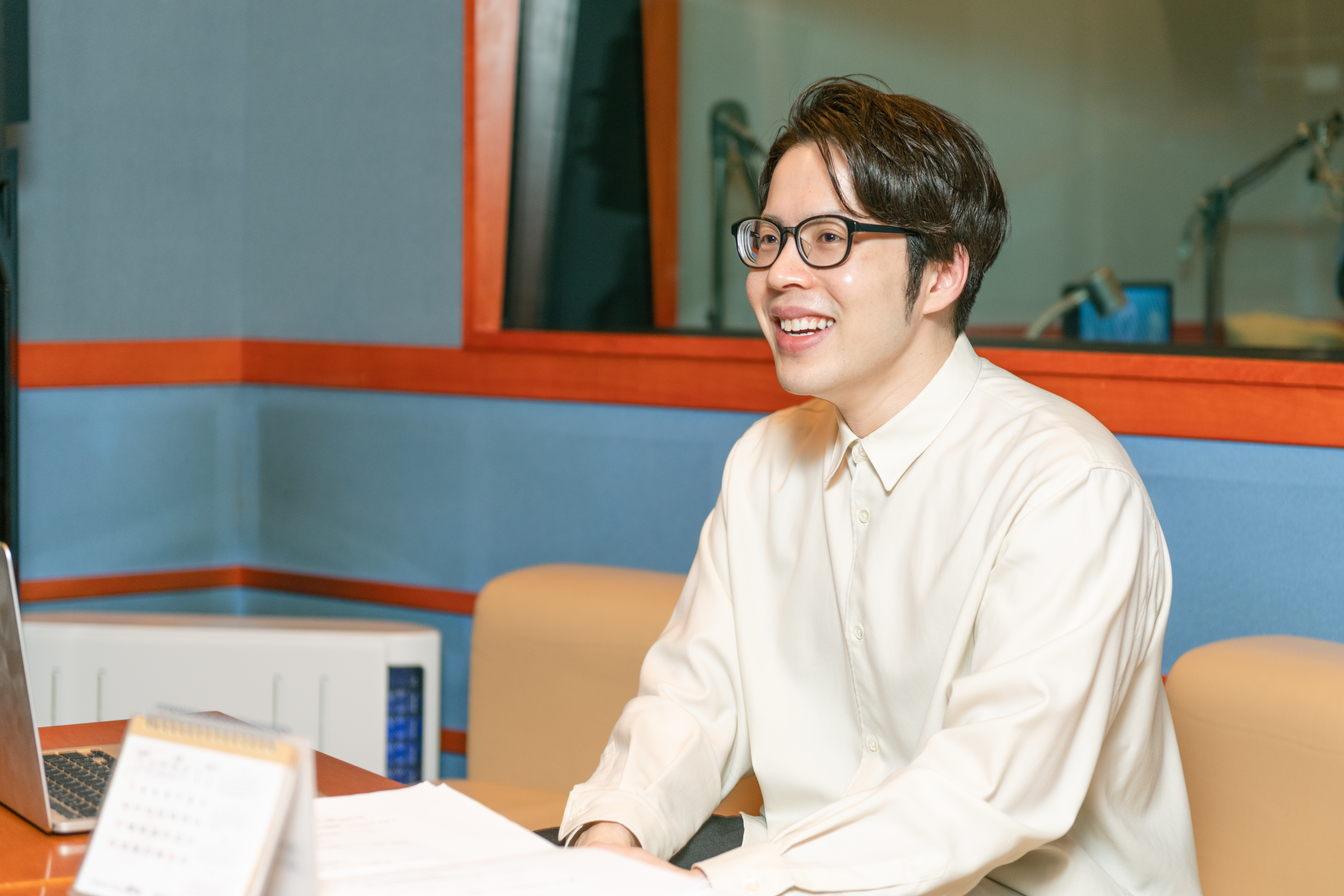
Masahiro Kobayashi
Professional Narrator
A Japanese male narrator handling over 200 projects a year across corporate videos, commercials and documentaries. Recorded in a broadcast-quality home studio and delivered fast.
Listen to voice samplesRelated Articles
Depreciation for Home Studio Narrators: Useful Tax Strategies for Mics, PCs, and Soundproofing
A practical guide to depreciation for home studio narrators, covering useful lives for microphones, audio interfaces, soundproofing, and PCs, plus when to expense costs immediately.
Turn Recording Pressure into Performance: Mental Control and Flow Routines for Narrators
How voice narrators can handle pre-session pressure, regulate nerves, sustain focus, and build practical routines to enter a flow state when it matters most.
Cloud DAW Strategies for Home Voice Talent: Comparing Soundtrap, BandLab, and Audacity Cloud for Real-Time Client Sessions
A practical guide for home voice talent on choosing and using cloud DAWs, comparing Soundtrap, BandLab, and Audacity Cloud-style tools, and designing real-time client-attended recording sessions.
CONTACT
Narration Enquiries & Quotes
Corporate VP, commercials, e-learning, product manuals — you do not need everything decided. Send the script length, intended media and target date, and I will come back with a proposal.
- From
- ¥50,000〜
- Turnaround
- 24 hours
- Format
- WAV / MP3
* If you have a fixed budget, let me know and we can work from there.
Or email directly: info@kobatee.jp