Pricing Final Narration in the Age of AI Scratch Voice: A Practical Framework by Revision Count, Rights, and Recording Method
Narration from ¥50,000, delivered in as little as 24 hours.
* If you have a fixed budget, let me know and we can work from there.
How Should You Price Final Narration When a Project Uses AI Scratch Voice?
In recent years, AI-generated scratch voice has rapidly become common in the early editing stages of corporate videos, product explainers, e-learning content, trade show films, and similar productions. It is highly effective for checking pacing, matching duration, and testing structure, and it helps speed up the overall production process. However, when the time comes to replace that temporary voice with a human narrator, pricing often becomes unclear due to assumptions like, “The AI version already shaped the piece, so recording should be easy,” or “The delivery choices are already fixed, so the fee should be lower.”
The short answer is this: in AI scratch voice projects, some parts may indeed become cheaper than in traditional workflows, while other parts should actually be priced higher. The key is to stop thinking only in terms of word count and instead break pricing into three axes: revision count, rights scope, and recording method.
Why AI Scratch Voice Projects Are Risky If You Rely Only on a Per-Word Rate
Traditionally, narration estimates are often built around word count, recording time, media type, and usage period. But once AI scratch voice enters the workflow, the real workload tends to shift elsewhere.
One common issue is delayed script lock. Because AI voice can make a rough cut feel “finished,” client review often progresses while wording continues to change until just before final recording. As a result, even if the narrator’s actual recording session is short, multiple rounds of replacements may follow, increasing total labor.
Another frequent situation is being told, “Please match this AI read.” That may sound convenient, but in practice, a human performance still requires adjustment for natural breathing, semantic phrasing, emphasis on product names, and emotional credibility. In other words, AI can reduce some direction, but it can also increase the burden of nuance control.
Build Pricing Around “Base Recording Fee + Revision Design + Rights Design”
For AI scratch voice projects, I recommend dividing the estimate into three layers.
First, the base recording fee. This should be determined by final script length, expected runtime, booking time, and whether the recording is remote or in-studio. For example, for a 2–3 minute corporate introduction, a practical market range might start in the low 30,000-yen range for a simple home-studio job, move to around 50,000 to 80,000 yen when direction and audio cleanup are included, and rise further for attended studio sessions.
Second, revision design. This is the core issue in AI scratch voice projects. State the terms clearly from the beginning: “Corrections for misreads after the first recording are free,” “Script changes up to X characters or Y% of total runtime are included,” and “Re-recording caused by structural changes will be billed separately.” In these projects, clients often perceive the cut as nearly complete, which means small line replacements can accumulate quickly. Unlimited revisions can easily erase profit.
Third, rights design. Is the narration for web publication only? Will it also be used at exhibitions? Reused in sales presentation videos? Repurposed for social ads? Pricing should change according to these usage conditions. Because AI scratch voice often accelerates internal approvals, these projects tend to expand into secondary uses faster than expected. Even brief contract wording should specify media, term, territory, and whether paid advertising is included.
Home Studio vs. Professional Studio: The Real Reason Costs Differ in the AI Era
Many production teams assume that if AI scratch voice already exists, home recording should be sufficient. But this should not be treated as a universal rule. The main advantages of home studio recording are scheduling flexibility and fast turnaround for pickups. In projects where fine revisions are likely, remote recording can actually reduce total cost.
On the other hand, for brand films, recruitment videos, major exhibition content, executive messages, and other pieces where vocal authority directly affects results, professional studio recording still offers significant value. In particular, when the director, client, and narrator can make decisions together in real time, nuance gets finalized faster and downstream revisions decrease. The upfront estimate may look higher, but the total labor cost can end up lower.
So in the AI era, the right recording method should be chosen not only by audio quality requirements, but by the likelihood of revisions and whether key decisions can be finalized on the spot.
A Practical Way to Present Estimates to Clients
To prevent fee disputes, clear wording matters more than the number itself. For producers and directors, I recommend organizing estimates like this:
- Base fee: final script of X characters, one recording session, cleanup included
- Free corrections: misreads and accent corrections
- Minor revisions: one round of script changes up to X characters included
- Additional fees: structural changes, runtime changes, major tone changes
- Usage conditions: web only / paid advertising billed separately / reuse requires re-estimation
This format makes estimates easier to explain to clients and reduces gaps in understanding with the narrator. In projects using AI scratch voice, simply separating “what is still provisional” from “what is locked at the time of final recording” dramatically improves estimate accuracy.
Conclusion: AI Does Not Simply Make Narration Cheaper—It Shifts Where the Cost Lives
AI scratch narration improves production efficiency. But it does not simply reduce the value of final human narration. If anything, it makes the human-specific value more visible: managing revisions before and after recording, converting synthetic phrasing into natural expression, and controlling rights and reuse properly.
When considering price ranges, do not focus only on “how many words will be read.” Also define “how many revisions are likely,” “how broadly the audio will be used,” and “which recording method will lock the performance efficiently.” The producers who handle AI-era estimates well are not the ones who chase the lowest unit price—they are the ones who design estimates that can survive change and real-world operation. To avoid chaos when replacing the scratch track with final narration, build your practical standards for revisions and rights into the estimate from the very beginning.
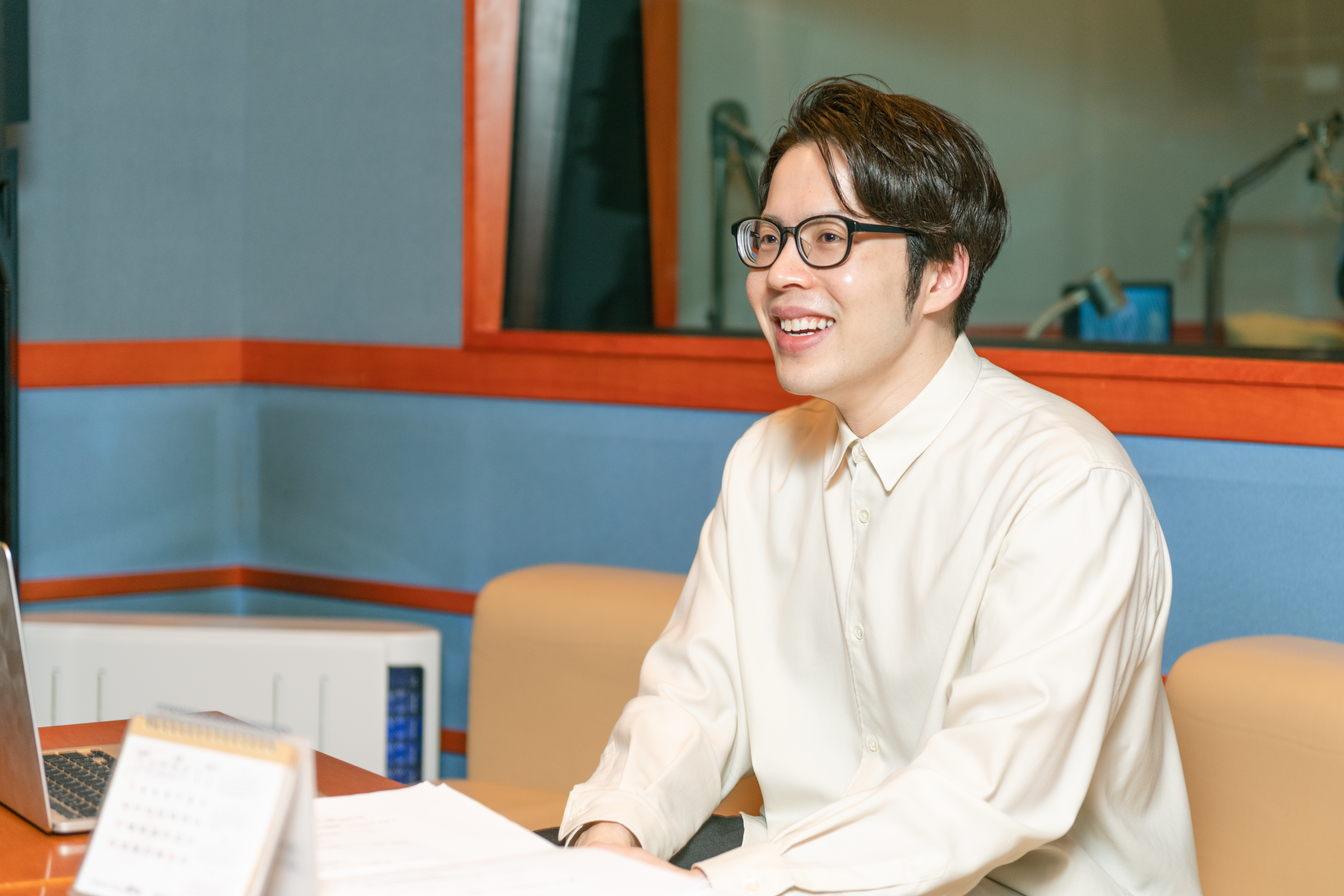
Masahiro Kobayashi
Professional Narrator
A Japanese male narrator handling over 200 projects a year across corporate videos, commercials and documentaries. Recorded in a broadcast-quality home studio and delivered fast.
Listen to voice samplesRelated Articles
The Complete Creative Brief for Voiceover Orders: A One-Page Template That Prevents Costly Misfires
Learn how to write a practical one-page creative brief for voiceover orders. This guide covers target audience, tone, prohibited expressions, reference audio, and competitor differentiation to prevent costly misalignment.
Attraction Guidance Narration Design for Theme Parks and Cinemas: Creating Immersion and Managing Multilingual Costs
A practical guide to attraction guidance narration for theme parks, amusement parks, and cinemas, covering immersive direction, tone design by age group, multilingual workflows, and realistic cost estimates.
Bulk vs Split Voiceover Orders: Per-Project Cost, Relationship Discounts, and Annual Budget Planning
A practical comparison of bulk vs split voiceover orders, including per-project pricing, relationship-based discounts, negotiation tactics, and annual budget planning.
CONTACT
Narration Enquiries & Quotes
Corporate VP, commercials, e-learning, product manuals — you do not need everything decided. Send the script length, intended media and target date, and I will come back with a proposal.
- From
- ¥50,000〜
- Turnaround
- 24 hours
- Format
- WAV / MP3
* If you have a fixed budget, let me know and we can work from there.
Or email directly: info@kobatee.jp