ナレーターの声が15分で変わる。収録前ウォームアップ完全公開|ストレッチ・呼吸・発声の科学
ナレーターが実践する「収録前15分」声のウォームアップ完全公開
収録の出来は、マイクの前に座った瞬間ではなく、その15分前にほぼ決まります。私は本番前、「声を出す」のではなく「声が出やすい身体と声道を整える」ことを優先します。無理に張る、低音を作る、高音を伸ばす――そうした“頑張る発声”は、むしろ冒頭の数テイクで声を硬くします。大切なのは、筋緊張を下げ、呼気圧を安定させ、声帯の接触を過不足なく整えることです。
今日は、私が実際に行っている15分ルーティンを、科学的な考え方と一緒に公開します。企業VP、CM、eラーニング、YouTube広告など、長尺でも短尺でも応用できます。
なぜウォームアップで声質が変わるのか
声は「喉だけ」で作るものではありません。姿勢、頸部周辺の筋緊張、呼吸、口腔・咽頭の共鳴条件がすべて関わります。とくに収録前は、PC作業やスマホ姿勢で胸郭が固まり、首の前側が詰まりやすい。これが浅い呼吸と喉の押し込みを生み、結果として、ノイズっぽい息漏れ、立ち上がりの遅い子音、疲れやすい声につながります。
ウォームアップの目的は主に3つです。
1つ目は、不要な筋緊張を減らすこと。
2つ目は、呼気を安定させること。
3つ目は、声帯と共鳴のバランスを整えること。
音声学・ボイストレーニングの現場でも、SOVT(Semi-Occluded Vocal Tract:半閉鎖声道)系の練習、たとえばリップロールやストロー発声は、発声効率の改善に有効とされています。声道の出口を少し狭めることで、声帯への過剰な衝突を抑えつつ、無理のない振動を作りやすくなるためです。
私の15分ルーティン:実際の順番と秒数
0:00〜3:00 首・肩・胸郭のリセット
最初の3分は、声を出しません。
- 首を左右にゆっくり倒す:各20秒×2回
- 肩回し:前後10回ずつ
- 胸を開くストレッチ:30秒×2回
- 顎の脱力:口を軽く開けて「はぁ」と無声音で3回
ポイントは「伸ばす」より「緩める」ことです。強く引っ張る必要はありません。首の前側、胸鎖乳突筋、肩周辺が少し軽くなる感覚があれば十分です。ここで可動域を作っておくと、後の発声で喉頭周辺の余計な固定が減ります。
3:00〜6:00 呼吸の再設定
次に、3分だけ呼吸を整えます。おすすめは4秒吸って、6秒吐くサイクルを6回。鼻から静かに吸い、口から細く長く吐きます。重要なのは、肩を上げず、下位肋骨から背中側までふくらむ感覚を持つことです。
私はこの段階で、吐く息を「スー」と一定に保ち、スマホの騒音計アプリやレベルメーターで息の安定を見ることがあります。大きさではなく“揺れの少なさ”が目標です。呼気が安定すると、語尾のヘタり、文頭の息不足、長文でのピッチ低下が減ります。
6:00〜10:00 SOVTで声帯の当たりを整える
ここが中核です。
- リップロール:30秒×2回
- ストロー発声:1分×2回
- 「んー」で軽いハミング:30秒×2回
ストローは内径3〜5mm程度の細めが扱いやすいです。水にストローを入れて行う“ストローフォネーション”でもよいですが、収録直前は唇や顎に余計な力が入らないよう、まずは空気中で十分です。音程は無理に上下させず、話し声の少し上を中心に、5度程度のゆるい上下で構いません。
ここでの目的は、声量を上げることではありません。「少ない力で、芯のある響きが出る位置」を探すことです。うまくいくと、喉の奥ではなく、唇の前や鼻梁付近に軽い振動感が集まります。
10:00〜13:00 母音と子音の明瞭度を上げる
次は実戦向けです。
- 母音連結「あ・え・い・お・う」×3周
- 有声子音「ま・な・ら・が」各2回
- 破裂音「た・か・ぱ」各2回
- 語頭を立てる短文を3本読む
たとえば、
「本日は、製品導入の流れを3つの要点でご説明します」
「確かな品質を、必要な場所へ、必要な時に」
といった、仕事で出やすい文を使います。
ここで意識するのは、口を大きく開けることではなく、子音の“準備位置”を早くすること。ナレーションでは、母音の美しさ以上に、子音の立ち上がりが情報伝達を左右します。特に宅録ではコンデンサーマイクが細部まで拾うため、曖昧な子音はすぐに「眠い音」になります。
本番直前にやらないこと
収録前に避けたいのは、長時間の大声練習、極端な低音・高音の確認、冷たい飲料の一気飲みです。私は水は常温、必要ならぬるめを少量ずつ。カフェインは人によって乾燥感が出るので、本番30分前以降は摂りすぎないようにします。
また、ウォームアップは“やった感”があるほど良いわけではありません。終わった時に、少し物足りないくらいがちょうどいい。声は筋トレではなく、協調運動です。疲れたら負けです。
収録で結果を出すための判断基準
ルーティンの成否は、次の3点で判断できます。
- 1テイク目の文頭が自然に入るか
- 3分読んでも喉が乾いたように力まないか
- 語尾が痩せず、子音が立つか
もし改善しない場合は、発声不足ではなく、姿勢か呼気圧が不安定なことが多いです。そんな時は、発声練習を増やすより、首肩の脱力と、6秒以上の安定した呼気に戻した方が早く整います。
ウォームアップは、派手な裏技ではありません。しかし、声の再現性を上げる最短ルートです。ナレーターにとって本当に大切なのは、「たまたま今日いい声」ではなく、「必要な時に、必要な声を出せる」こと。収録前15分を設計すると、声は確実に変わります。
The Complete 15-Minute Pre-Recording Vocal Warm-Up Used by a Professional Narrator
The quality of a recording is often decided not when you sit in front of the microphone, but in the 15 minutes before that. Before any session, I do not focus on “producing voice.” I focus on preparing a body and vocal tract that allow the voice to come out efficiently. Forcing projection, trying to make the voice deeper, or stretching for high notes often makes the first few takes sound tight. What matters is reducing unnecessary muscular tension, stabilizing airflow, and balancing vocal fold contact and resonance.
Today, I want to share the exact 15-minute routine I use before recording, along with the science behind it. This works well for corporate videos, commercials, e-learning, and online ads alike.
Why Warm-Ups Change Vocal Quality
The voice is not created by the throat alone. Posture, neck tension, breathing, and the resonance conditions of the oral and pharyngeal cavities all shape the final sound. Right before recording, many people come from desk work or smartphone posture, which stiffens the rib cage and compresses the front of the neck. That leads to shallow breathing and pressed phonation, often resulting in breathy noise, sluggish consonant attacks, and a voice that tires quickly.
A warm-up has three main purposes:
1. Reduce unnecessary muscular tension.
2. Stabilize airflow.
3. Optimize the balance between vocal fold vibration and resonance.
In voice science and practical training, SOVT exercises—Semi-Occluded Vocal Tract exercises—such as lip trills and straw phonation are widely used to improve vocal efficiency. By slightly narrowing the vocal tract outlet, they help reduce excessive collision of the vocal folds and encourage easier, more balanced vibration.
My 15-Minute Routine: Exact Order and Timing
0:00–3:00 Reset the Neck, Shoulders, and Rib Cage
For the first three minutes, I do not phonate.
- Slow side neck stretch: 20 seconds each side × 2
- Shoulder rolls: 10 forward, 10 backward
- Chest-opening stretch: 30 seconds × 2
- Jaw release: gently open the mouth and exhale a silent “haa” 3 times
The goal is not to “stretch hard,” but to release. You do not need strong pulling. A mild sense of ease in the front of the neck, around the sternocleidomastoid muscles, and in the shoulders is enough. This reduces unnecessary fixation around the larynx during the later vocal work.
3:00–6:00 Reset Breathing
Next, I spend three minutes on breath. A useful pattern is inhale for 4 seconds, exhale for 6 seconds, repeated 6 times. Inhale quietly through the nose and exhale through the mouth in a thin, steady stream. The key is to avoid lifting the shoulders and instead feel expansion in the lower ribs and back.
At this stage, I sometimes monitor the steadiness of the exhalation using a smartphone sound level app or a level meter. The target is not loudness, but consistency. Stable airflow reduces weak phrase endings, lack of breath at sentence starts, and pitch drop in longer passages.
6:00–10:00 Use SOVT to Balance Vocal Fold Contact
This is the core section.
- Lip trills: 30 seconds × 2
- Straw phonation: 1 minute × 2
- Light humming on “mm”: 30 seconds × 2
A straw with an inner diameter of around 3–5 mm is easy to handle. You can also do water resistance straw phonation, but right before recording, I prefer keeping it simple in air to avoid adding tension to the lips or jaw. There is no need for extreme pitch movement; a comfortable speaking range with a gentle interval of around a fifth is enough.
The purpose here is not to increase volume. It is to find the place where the voice feels focused and resonant with minimal effort. When it works, the vibration no longer feels trapped deep in the throat, but shifts forward toward the lips or the bridge of the nose.
10:00–13:00 Improve Vowel and Consonant Clarity
Now we move into practical narration work.
- Vowel chain: “a-e-i-o-u” × 3 rounds
- Voiced consonants: “ma-na-ra-ga” × 2 each
- Plosives: “ta-ka-pa” × 2 each
- Read 3 short sentences with clear initial attacks
For example:
“Today, I will explain the implementation process in three key points.”
“Reliable quality, delivered where it is needed, when it is needed.”
The focus here is not opening the mouth excessively. It is preparing consonants early and accurately. In narration, clarity often depends even more on consonant onset than on beautiful vowels. In home recording especially, condenser microphones capture every detail, and blurred consonants quickly make the read sound sleepy.
What I Avoid Right Before Recording
I avoid long loud practice, extreme low or high note checking, and drinking very cold beverages right before a session. I usually drink room-temperature water, or slightly warm water in small amounts. Caffeine can increase the sensation of dryness for some people, so I try not to overdo it in the 30 minutes before recording.
Also, a warm-up is not better just because it feels intense. If you finish feeling slightly underworked, that is often ideal. The voice is not weight training; it is coordinated movement. If the warm-up makes you tired, it has already failed.
How to Judge Whether the Routine Worked
I evaluate the routine using three simple criteria:
- Does the first sentence start naturally on take one?
- Can I read for three minutes without throat dryness or pushing?
- Do phrase endings stay supported, with clear consonants?
If the voice still does not settle, the issue is often not “insufficient vocalization,” but unstable posture or airflow. In that case, adding more voice drills is less effective than returning to neck-and-shoulder release and a steady 6-second exhalation.
A warm-up is not a flashy trick. It is the shortest path to vocal consistency. For a narrator, the real goal is not “having a good voice today by chance,” but being able to produce the needed voice whenever the job requires it. Design those 15 minutes before recording, and your voice will change reliably.
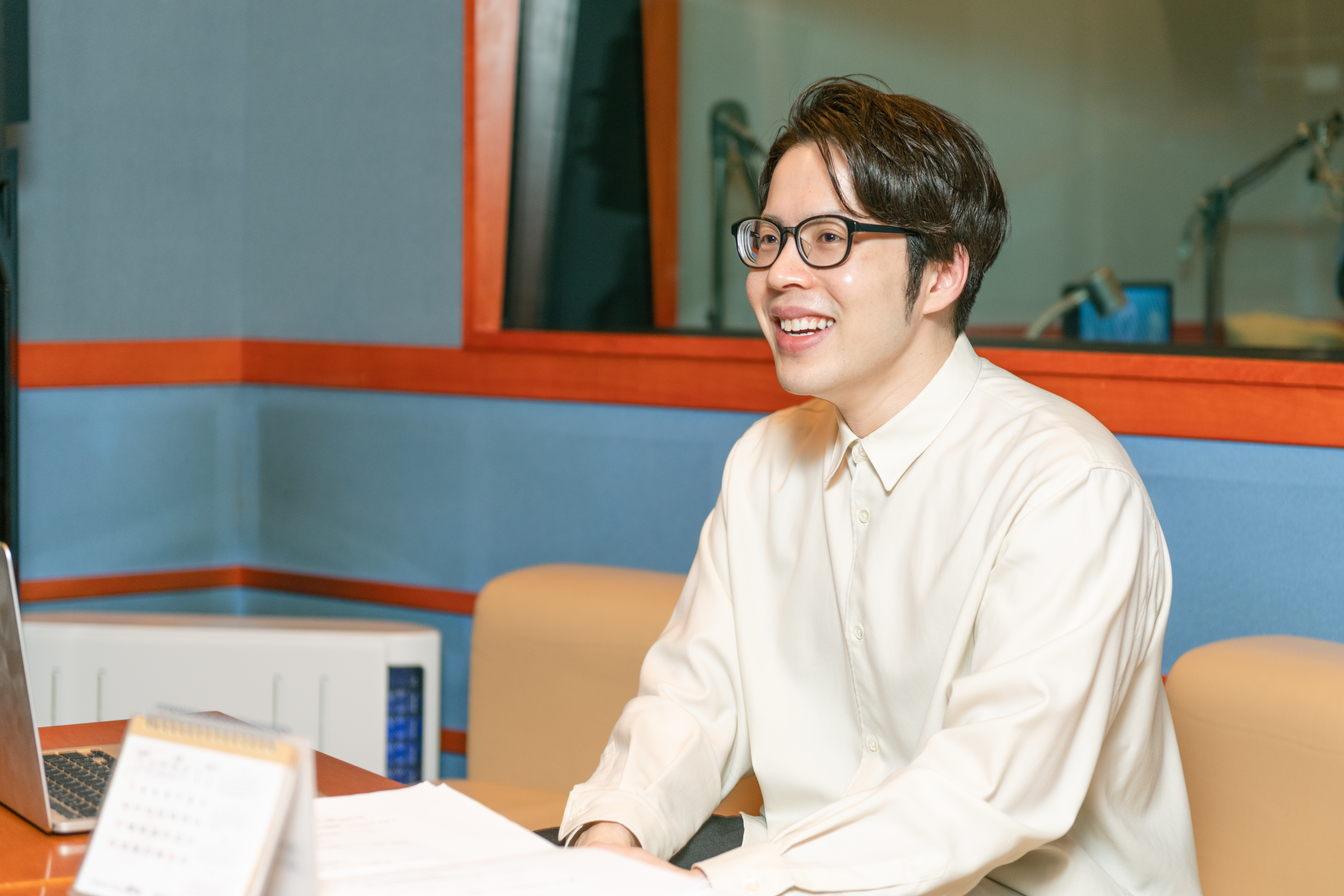
小林 将大 Masahiro Kobayashi
Professional Narrator
企業VP、CM、ドキュメンタリーなど年間300本以上のナレーションを担当。
高品質な宅録環境を完備し、スピーディかつ最高水準の音声データを提供します。
あわせて読みたい記事
ラグジュアリーブランドの声はどう選ぶべきか――『静寂』と『品格』を設計するナレーター選定基準
ファッション・ラグジュアリーブランドにおけるナレーター選定の実務論。静寂と品格を声で表現する基準と、プレタポルテ/オートクチュールで異なる設計思想を具体的に解説します。
ナレーターの『声のブランドカラー』設計術:色彩心理学で企業イメージに合う声を言語化する
声を“上手い・落ち着く”で終わらせず、温度感・明度・彩度で設計する実務手法を解説。企業イメージに合うナレーションのクリエイティブブリーフ作成術を具体例付きで紹介。
ナレーション映像のA/Bテスト設計法:声の違いが視聴完了率・CVRをどう動かすか
同一映像に異なるナレーターの声を当て、視聴完了率やCVRへの影響を正しく測る実験設計を解説。変数管理、指標設計、分析フレームまで実務で使える形で整理します。